
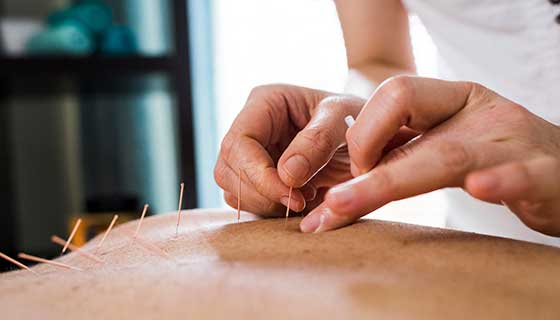
Acupuncture is one of the oldest healing practices in the world and has become a widely recognized form of alternative medicine in modern healthcare. Originating from Traditional Chinese Medicine (TCM), acupuncture involves the insertion of very thin needles into specific points on the body to promote balance, relieve pain, and support overall well-being. Over the past few decades, acupuncture has gained global popularity, not only as a traditional therapy but also as a complementary treatment alongside conventional medicine.
The Origins and History of Acupuncture
Acupuncture has a history that dates back more than 2,500 years in China. Ancient Chinese medical texts describe the use of needles and pressure points to regulate the flow of vital energy known as Qi (pronounced “chee”). According to Traditional Chinese Medicine, Qi flows through pathways in the body called meridians. When this flow is disrupted, illness or pain may occur.
Early acupuncture tools were made from stone, bone, or bamboo, long before metal needles were developed. Over time, the practice evolved and spread to other parts of Asia, including Korea and Japan, each developing its own variations. In the 20th century, acupuncture gained attention in Western countries, especially after scientific studies and public exposure highlighted its potential benefits.
How Acupuncture Works
From a traditional perspective, acupuncture works by restoring balance in the body’s energy system. Specific acupuncture points are believed to influence organs, muscles, and bodily functions. By stimulating these points, practitioners aim to unblock or rebalance Qi, allowing the body to heal itself naturally.
From a modern medical viewpoint, acupuncture is thought to stimulate the nervous system. Research suggests that inserting needles can trigger the release of endorphins, the body’s natural painkillers, and influence neurotransmitters that regulate pain, mood, and immune responses. While the exact mechanisms are still being studied, many patients report noticeable improvements after acupuncture sessions.
Common Conditions Treated with Acupuncture
Acupuncture is commonly used to treat a wide range of physical and mental health conditions. One of its most well-known applications is pain management. People often seek acupuncture for chronic back pain, neck pain, migraines, arthritis, and sports injuries.
Beyond pain relief, acupuncture is also used to address stress, anxiety, and depression. Many individuals find acupuncture sessions deeply relaxing, which can help reduce stress levels and improve sleep quality. Additionally, acupuncture is frequently used for digestive issues, allergies, menstrual disorders, fertility support, and nausea, including nausea caused by chemotherapy or pregnancy.
Acupuncture in Modern Healthcare
In recent years, acupuncture has been increasingly integrated into mainstream healthcare systems. Many hospitals and clinics now offer acupuncture as part of integrative or complementary medicine programs. In some countries, acupuncture is covered by health insurance when used for specific conditions, particularly chronic pain.
Medical professionals often recommend acupuncture as a complementary therapy rather than a replacement for conventional treatments. For example, patients undergoing physical therapy or recovering from surgery may use acupuncture to manage pain and speed up recovery. This growing acceptance reflects a broader shift toward holistic approaches that address both physical and emotional health.
Scientific Research and Effectiveness
Scientific research on acupuncture has expanded significantly, with numerous studies examining its effectiveness. Some clinical trials have shown positive results, particularly for chronic pain, headaches, and osteoarthritis. Organizations such as the World Health Organization (WHO) have recognized acupuncture as a beneficial treatment for certain conditions.
However, acupuncture remains a topic of debate in the scientific community. Critics argue that some benefits may be attributed to placebo effects or patient expectations. Despite this, many patients continue to report real and lasting improvements, and ongoing research continues to explore how and why acupuncture works.
Safety and What to Expect During a Session
When performed by a trained and licensed practitioner, acupuncture is generally considered safe. The needles used are sterile, single-use, and extremely thin, making the procedure minimally invasive. Most people experience little to no pain during insertion, often describing the sensation as a mild tingling or pressure.
A typical acupuncture session begins with a consultation, where the practitioner assesses the patient’s symptoms, lifestyle, and overall health. The needles are then inserted and left in place for about 15 to 30 minutes while the patient relaxes. Side effects are usually mild and may include slight bruising or temporary soreness.
Why Acupuncture Continues to Grow in Popularity
The growing popularity of acupuncture can be attributed to several factors. Many people are seeking natural and non-pharmaceutical treatments, especially amid concerns about medication side effects and dependency. Acupuncture offers a drug-free approach that aligns with this preference.
Additionally, increased awareness of mental health and stress-related conditions has led people to explore holistic therapies. Acupuncture’s focus on balance, relaxation, and whole-body wellness resonates with individuals looking for preventive care rather than symptom-based treatment alone.
Conclusion
Acupuncture has evolved from an ancient healing art into a globally recognized form of alternative medicine. Its ability to bridge traditional wisdom and modern healthcare has made it a valuable option for millions of people worldwide. While scientific research continues to explore its mechanisms, acupuncture’s long history, growing acceptance, and widespread use demonstrate its lasting relevance. As interest in holistic and integrative health continues to rise, acupuncture is likely to remain an important part of alternative and complementary medicine for years to come.