
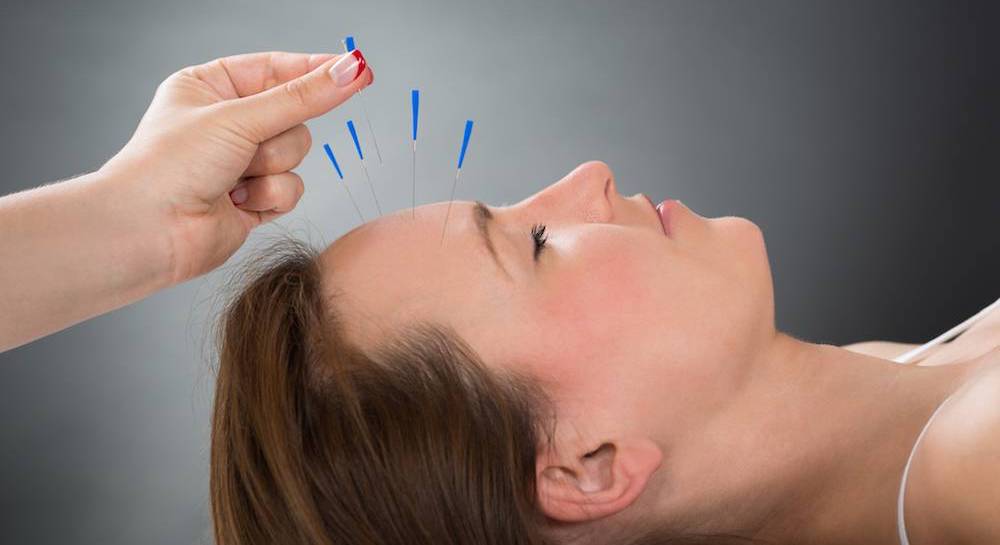
Alternative medicine has gained significant popularity worldwide, especially therapies rooted in Traditional Chinese Medicine (TCM). Among the most well-known practices are acupuncture and acupressure. While both are based on similar principles of energy flow within the body, they differ in techniques, applications, and levels of invasiveness. This article explores acupuncture vs acupressure in depth, helping you understand their differences, benefits, and which option may be right for you.
What Is Acupuncture?
Acupuncture is a therapeutic practice that involves inserting very thin, sterile needles into specific points on the body, known as acupoints. These points lie along pathways called meridians, which are believed to carry vital energy, or Qi (pronounced “chee”).
The main goal of acupuncture is to restore balance in the body by improving the flow of Qi. When energy becomes blocked or imbalanced, it is believed to cause pain, illness, or emotional distress. Acupuncture aims to stimulate the nervous system, improve blood circulation, and encourage the body’s natural healing processes.
Modern research suggests that acupuncture may trigger the release of endorphins, reduce inflammation, and influence brain chemistry, making it effective for various conditions such as chronic pain, migraines, stress, and digestive disorders.
What Is Acupressure?
Acupressure is a non-invasive therapy that uses manual pressure—typically applied with fingers, thumbs, palms, or elbows—to stimulate the same acupoints used in acupuncture. Instead of needles, sustained pressure or gentle massage is used to activate energy flow and relieve tension.
Acupressure is often considered more accessible because it does not require specialized equipment or clinical settings. Many techniques can be learned and practiced at home for self-care. It is commonly used to relieve headaches, muscle stiffness, nausea, anxiety, and fatigue.
Because acupressure does not puncture the skin, it is generally perceived as safer and more comfortable, especially for individuals who are sensitive to needles or new to alternative therapies.
Core Similarities Between Acupuncture and Acupressure
Despite their differences, acupuncture and acupressure share several fundamental similarities:
- Both are rooted in Traditional Chinese Medicine
- Both focus on stimulating acupoints along meridians
- Both aim to balance Qi and promote holistic healing
- Both can help manage pain, stress, and chronic conditions
These shared principles mean that the choice between acupuncture and acupressure often depends on personal preference, medical needs, and comfort level rather than effectiveness alone.
Key Differences Between Acupuncture and Acupressure
While they share the same theoretical foundation, acupuncture and acupressure differ in important ways.
Technique and Tools
Acupuncture uses fine needles inserted into the skin, whereas acupressure relies on external pressure. This makes acupuncture more invasive and acupressure completely non-invasive.
Professional Requirements
Acupuncture must be performed by a licensed and trained practitioner due to the risks associated with needle insertion. Acupressure, on the other hand, can be safely practiced by individuals after basic instruction.
Intensity of Treatment
Acupuncture is often considered more intense and targeted, making it suitable for deeper or chronic conditions. Acupressure tends to provide gentler stimulation, which is ideal for relaxation and mild symptoms.
Risk and Side Effects
Acupuncture carries minor risks such as bruising, soreness, or infection if not performed correctly. Acupressure has minimal risks, usually limited to temporary tenderness.
Health Benefits of Acupuncture
Acupuncture has been widely studied and is increasingly recognized in integrative medicine. Common benefits include:
- Relief from chronic pain (back pain, arthritis, neck pain)
- Reduction of migraines and tension headaches
- Improved sleep quality
- Stress and anxiety management
- Support for digestive and hormonal balance
Many hospitals and clinics now incorporate acupuncture as a complementary therapy, particularly for pain management and rehabilitation.
Health Benefits of Acupressure
Acupressure offers many similar benefits but is especially valued for self-care and preventive wellness. Its benefits include:
- Reduced muscle tension and stiffness
- Relief from nausea and motion sickness
- Improved circulation
- Enhanced relaxation and mental clarity
- Support for emotional well-being
Because it is easy to learn, acupressure is often used as a daily wellness practice rather than a clinical treatment.
Which One Is More Effective?
The effectiveness of acupuncture vs acupressure depends largely on the condition being treated. For severe or long-term medical issues, acupuncture may provide faster and more noticeable results due to its deeper stimulation. For stress relief, mild pain, or general wellness, acupressure can be equally effective when practiced consistently.
Some individuals even combine both therapies—receiving professional acupuncture treatments while practicing acupressure at home to maintain balance between sessions.
Who Should Choose Acupuncture or Acupressure?
You may prefer acupuncture if:
- You suffer from chronic or severe pain
- You want professional, targeted treatment
- You are comfortable with needles
You may prefer acupressure if:
- You want a non-invasive option
- You are sensitive to needles
- You prefer self-care techniques at home
Consulting a healthcare provider or licensed practitioner is always recommended, especially if you have underlying medical conditions.
Conclusion
Acupuncture and acupressure are powerful healing methods that share the same philosophical roots but differ in application and intensity. Acupuncture offers deeper, clinically guided treatment, while acupressure provides a gentle, accessible approach to everyday wellness. Understanding the differences between acupuncture vs acupressure allows you to make an informed decision based on your health goals, comfort level, and lifestyle.
Both therapies emphasize balance, prevention, and holistic healing—making them valuable tools in modern integrative healthcare.