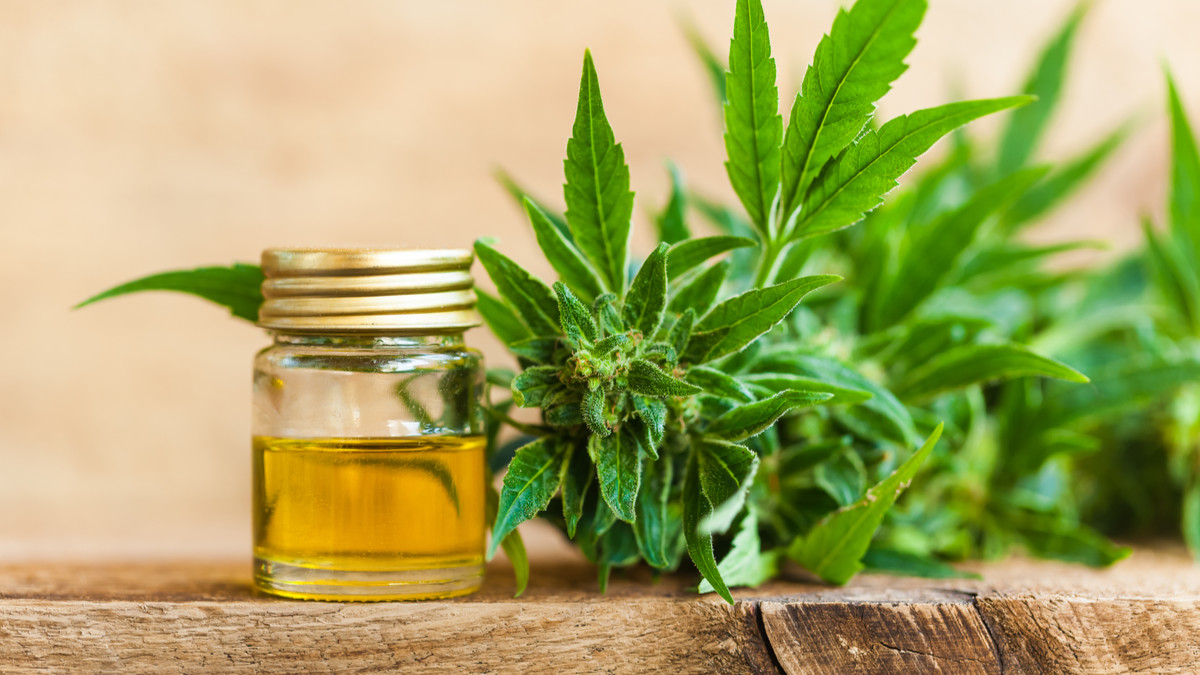
When adult enthusiasts begin exploring modern dispensaries, finding detailed information about various cannabis strains helps clear up confusion around exotic names and marketing promises. On practice, picking the right option is rarely as simple as choosing between a basic indica or sativa label. Understanding lineage, volatile terpene profiles, and curing standards gives you a much clearer path to selecting products that match your specific routine.
The growth of digital catalog shopping gives buyers direct access to detailed genetic histories and laboratory profiles. Instead of relying on random advice or guessing, consumers can examine expected aromas and chemical ratios right from their screens. However, taking full advantage of this information requires knowing which physical traits actually translate into a satisfying experience.
Chemical Synergy: Beyond Simple THC Percentages
Focusing exclusively on raw cannabinoid numbers is one of the most common mistakes beginners make when browsing online menus. While high potency naturally attracts attention, the overall character of a strain is shaped far more by its terpene compounds and minor cannabinoids working together.
- Myrcene: Delivers earthy, herbal aromas and is often associated with deeply relaxing physical sensations.
- Limonene: Provides sharp citrus notes that tend to offer an uplifting, clear-headed mental boost.
- Caryophyllene: Features a peppery profile that uniquely interacts directly with peripheral CB2 receptors.
- Pinene: Offers fresh pine needle aromas that help balance heavier physical effects.
| Strain Profile Element | Primary Characteristic | Role in Overall Experience |
| Terpene Content | Aromatic essential oils | Defines flavor, aroma, and effect nuance |
| Trichome Density | Resinous surface glands | Holds primary cannabinoids and active compounds |
| Moisture & Cure | Balanced bounce back | Ensures smooth combustion and terpene retention |
| Genetic Lineage | Parent strain background | Predicts growth habits and general effect traits |
This natural interaction is widely recognized as the entourage effect, where terpenes alter how cannabinoids bind to body receptors. A batch testing at 20% THC with a rich 3% terpene load almost always delivers a far more complex session than a dry batch testing at 28% THC with stripped aromas.
Evaluating Dried Flower Quality and Curing Traits
Recognizing top-shelf genetics requires paying close attention to physical condition and processing methods. Well-cultivated flower shows clear signs of careful handling from harvest to final packaging.
- Inspect Trichome Heads: Look for a dense, uniform coating of milky-white to amber trichomes rather than clear or broken glands.
- Test Moisture Retention: High-quality buds yield slightly under light thumb pressure without crumbling into fine powder or feeling damp.
- Check the Trim: Careful hand trimming preserves external resin glands along natural bud contours far better than rough machine processing.
Proper curing is equally vital for preserving volatile terpenes over time. Exposure to excess heat, light, or oxygen degrades active compounds into byproduct CBN, causing flower to lose its distinct aroma and taste harsh during use.
Smart Selection Habits for Online Dispensary Catalogs
Ordering specialty products through web platforms demands basic online safety habits to protect both your package delivery and personal details.
Before entering shipping details or completing payment steps, double-check that the platform utilizes valid HTTPS encryption. Store your inventory in airtight glass containers with two-way humidity control packs once your shipment arrives, keeping jars in a cool, dark cabinet away from heat-emitting appliances. Taking a deliberate, informed approach to strain selection and digital safety ensures every order delivers exactly what you expect.
