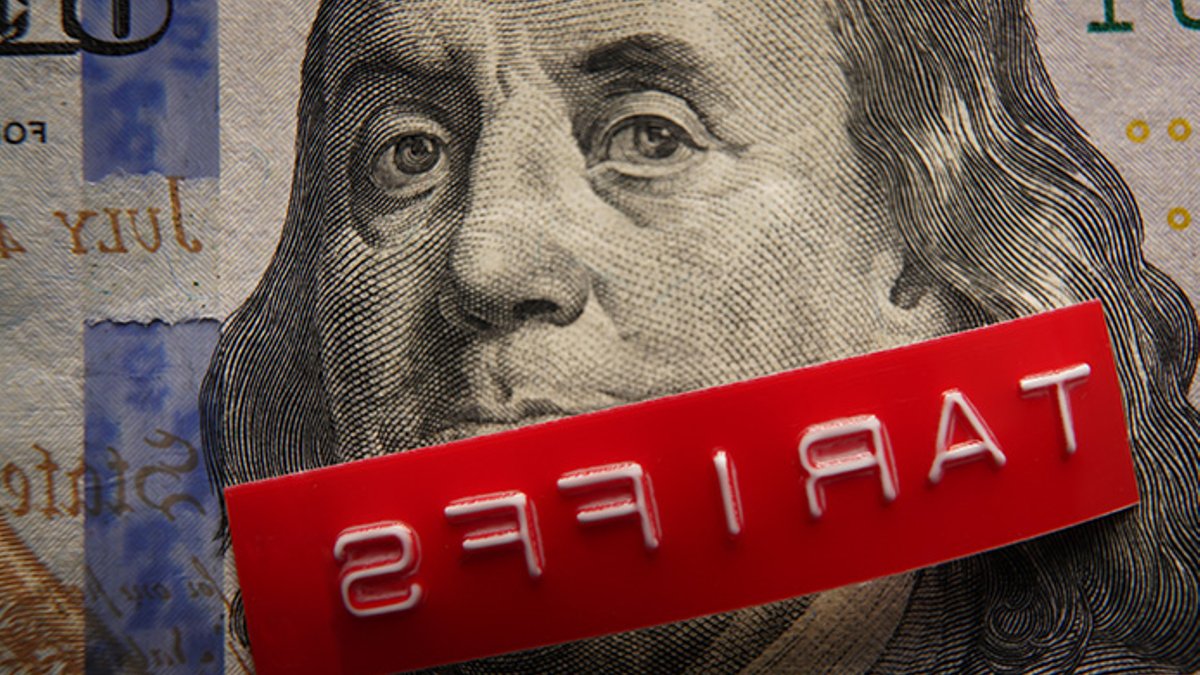
On September 29, the U.S. broadened tariffs targeting imported patented pharmaceuticals and their components, now covering smaller and mid-sized drug producers that had previously been excluded. These levies, initially imposed on July 31 against 17 major manufacturers, now encompass the entire sector, with potential rates climbing as high as 100%.
Firms without exemptions or negotiated agreements must now either cover the additional costs, reconsider production locations, or transfer the burden to consumers—amid growing public frustration over drug prices. A KFF survey from February 24 to March 2 found that 82% of U.S. adults consider prescription medication costs unjustifiable.
The trade group BIO highlights the challenges, noting that constructing new manufacturing plants can demand up to $2 billion and take five to ten years, while smaller biotech companies often depend on contract manufacturers. According to KPMG trade specialist Chris Young, the tariff impact varies based on a company’s domestic production plans, pricing strategies, product types, and supply chains.
The Trump administration introduced these tariffs under Section 232 of the 1962 Trade Expansion Act, citing national security concerns to curb reliance on foreign drug production and promote domestic manufacturing.
Companies with approved onshoring plans face a 20% tariff rate, escalating to 100% by April 2, 2030. Those combining onshoring with a most-favored-nation drug pricing agreement may avoid tariffs entirely until January 20, 2029. Products from the EU, Japan, South Korea, Switzerland, and Liechtenstein incur a 15% tariff, while UK-sourced goods remain duty-free through January 19, 2029.
A Commerce Department announcement on September 23 established exemptions for research-related imports, waiving tariffs on ingredients and products used exclusively for clinical trials, development, or noncommercial purposes. Certain advanced treatments, including cell and gene therapies, also qualify for zero tariffs if sourced from countries with trade security agreements or addressing critical U.S. health needs.
Generic drugs and biosimilars remain outside these Section 232 tariffs for now, though the April directive requires Commerce to evaluate extending them within a year. Separately, President Trump in July outlined a phased approach for generic imports: no tariffs until July 2028, followed by a 100% rate, then a 200% levy the subsequent year.
