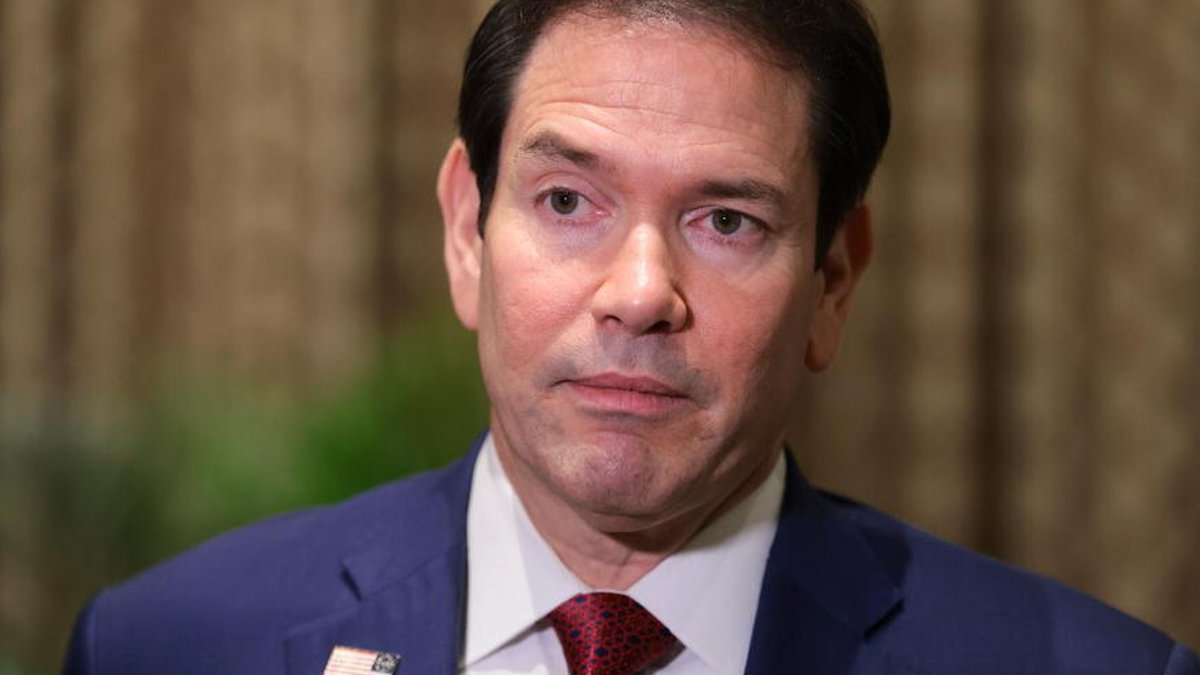
The top diplomats from the Group of 20 largest world economies are meeting in Atlanta, but deep rifts over wars and trade threaten to overshadow the gathering. U.S. Secretary of State Marco Rubio will chair the session this weekend, a meeting that sets the stage for a leaders summit at President Donald Trump’s Miami golf club in December.
Tensions Over Russia and China
Consensus appears unlikely on the most contentious issues. Among them are the Russia-Ukraine conflict, the U.S.-Israeli war against Iran, U.S. tariffs, and Chinese activities in the South China Sea. These disputes have contributed to higher fuel costs and uncertainty in global trade.
U.S. officials list freedom of navigation as their top priority for the talks. They want to address the Strait of Hormuz, the Red Sea, the Black Sea, and the South China Sea. The discussions will include Iran, the Russia-Ukraine war, and China’s relations with smaller neighbors. However, the prospect of new U.S. military intervention in Iran is causing alarm across the region.
According to the Associated Press, U.S. officials have told several Middle East countries and regional allies to prepare for potential renewed military strikes against Iran after Tuesday’s midterm elections. The possibility of Iranian retaliation has put G20 member Saudi Arabia on edge.
Some G20 countries have expressed concern that the U.S. invited Russia to the Atlanta meeting. Russian Foreign Minister Sergey Lavrov will represent Moscow, while China is sending a deputy foreign minister. Most other countries are sending their top diplomats.
Russia’s presence may roil Western allies. It is unclear if Russian President Vladimir Putin will attend the December summit in Florida. U.S. allies in Europe are uneasy about Russia’s participation, especially after Trump pushed ties with Ukraine to new lows by waiving sanctions on Moscow and limiting intelligence assistance.
Russia’s foreign ministry complained that visa issues were only resolved at the last minute. The complications gave the impression that “not everyone in Washington is happy” about Lavrov attending, ministry spokeswoman Maria Zakharova said. But Lavrov plans to use the meeting to advocate for the “swift reform of global economic institutions” and a “multipolar world.”
Lavrov has rarely traveled to NATO member states since Russia invaded Ukraine in February 2022. His attendance in Atlanta could cause political problems for Trump just days before the midterm elections and upset Western participants in the G20.
“It seems politically boneheaded to invite him,” said Ian Kelly, a U.S. ambassador to Georgia during Trump’s first term. Kelly, who now teaches at Northwestern University, noted that many Republican lawmakers are “cranky” with Trump’s conciliatory approach to Putin. Democrats could use the invitation to bash the GOP ahead of the vote.
In terms of the G20 itself, Lavrov’s attendance will likely hurt efforts to produce a unified approach on the Russia-Ukraine war. “It will definitely take away from the message that at least the Western members want to send,” Kelly said.
Ukraine, which is not a G20 member but attended previous meetings, was not invited this year. U.S. officials said they made a conscious choice to only include formal members of the group. South Africa is also missing from the invite list due to bitter disputes with the Trump administration.
Shift in Global Strategy
The State Department said Rubio sees the event as a way to “advance practical cooperation on shared economic and security challenges.” His priority is for the group to seek solutions to “geopolitical crises contributing to global economic shocks.” The focus includes threats to freedom of navigation, energy and food security. Officials also aim to preserve supply chains of critical minerals.
