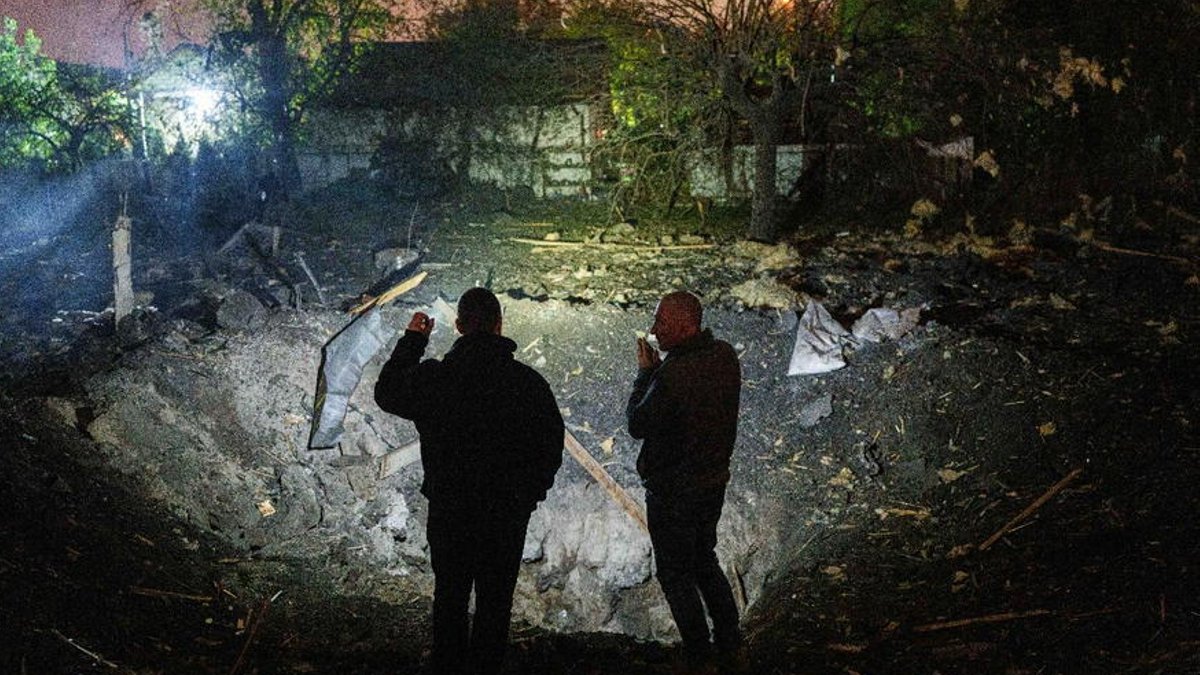
A U.N.-backed investigation concluded that Russia’s deliberate strikes on Ukraine’s power grid constituted war crimes and crimes against humanity, plunging millions into freezing darkness without heat or electricity. The report also documented how Moscow allegedly conscripted fighters from 29 nations into its military, often through “deception or coercion”, violating global law.
The report indicated that most of the men, aged 18 to 60, originated from disadvantaged and marginalized communities with limited financial resources and lower educational attainment, according to the findings. The independent commission of inquiry received authorization from the Geneva-based Human Rights Council to examine human rights abuses following Russia’s full-scale invasion of Ukraine in February 2022.
The document submitted to the U.N. General Assembly’s human rights committee on Monday represented the initial report concentrating on Russia’s extensive assaults on Ukraine’s energy infrastructure. These power outages have subjected millions of civilians to harsh winter conditions in darkness, left elderly residents without elevator access to shelters during missile and drone strikes, and deprived hospital patients of life-sustaining medical equipment, as reported.
The commission determined that the energy infrastructure attacks in Ukraine qualified as war crimes due to their deliberate targeting of civilian facilities, and classified them as crimes against humanity for ‘inflicting great suffering upon civilians,’ stated commission chair Erik Mose during a U.N. press briefing conducted via video conference.
Read Also: Thunder win, Jalen Williams out with leg injury
The investigation’s conclusions were drawn from testimonies of 255 Ukrainians who experienced winter hardships in Kyiv and eight additional regions during 2025-26, alongside input from government officials, medical professionals, and civic groups. Mose noted that Russian authorities have consistently declined to address inquiries regarding any of the commission’s reports, including this particular one.
Russia’s U.N. Mission asserted on Monday that Moscow does not acknowledge the commission’s authority and maintained that the report’s conclusions were based on ‘fabricated information.’ The document revealed that recruits were enticed and pressured into service through deception, working with agents in foreign nations who posed as legitimate, state-sanctioned enterprises.
These agents arranged visas and sometimes traveled with the men, who soon after arrival were forced to sign documents in Russian with the Defense Ministry that they didn’t understand, the commission said. It investigated the recruitment of nationals from 48 countries and found evidence that men from 29 countries were recruited into Russia’s armed forces as a result of deception or coercion.
