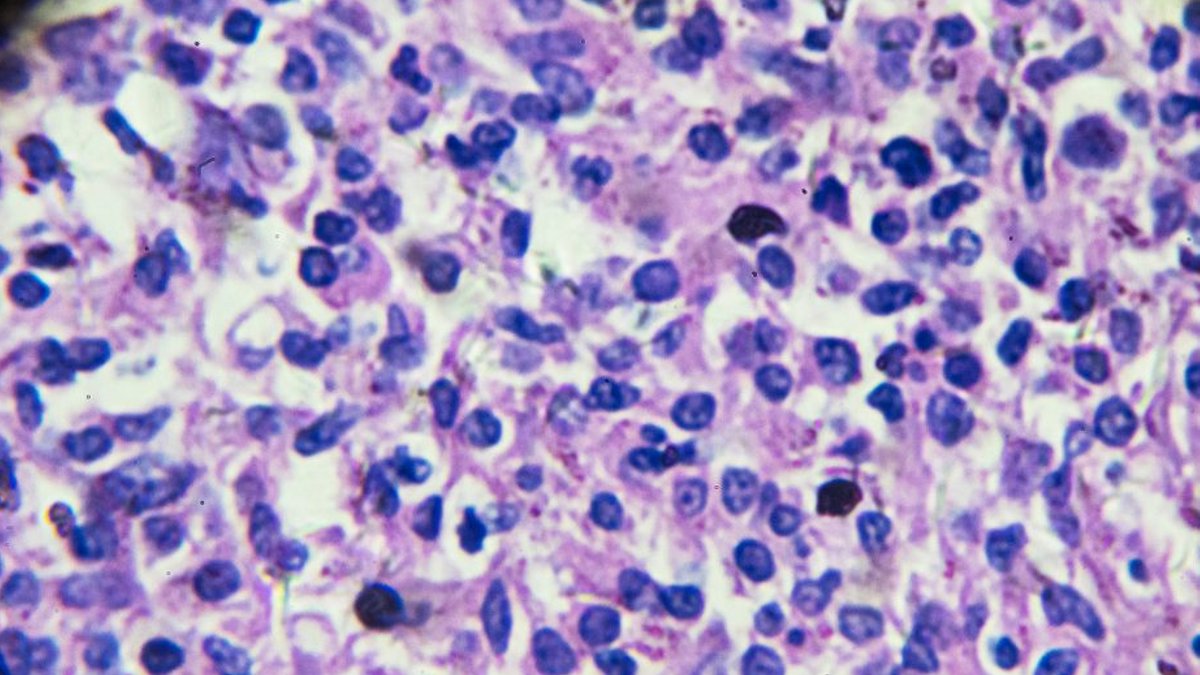
European researchers are pushing for a major shift in how mantle cell lymphoma is treated. Their new proposal moves away from using a patient’s age as the primary decision-making tool. Instead, they want treatment plans to be built on the specific biology of the disease and how it responds to therapy. This approach aims to create more individualized strategies for patients facing this type of cancer.
The push for change is timely as medical knowledge about biomarkers expands, according to Ingrid Glimelius, PhD. She is the first author of a review paper published in The Lancet Haematology. Glimelius is a professor in the Department of Immunology, Genetics and Pathology at Uppsala University in Sweden. She noted that the field is evolving rapidly.
Moving Beyond Age-Based Cutoffs
Historically, doctors have stratified treatment based on age and suitability for autologous stem cell transplantation. A common cut-off point has been age 65. However, the researchers argue that this method is increasingly inadequate. The field is moving away from routine high-dose chemotherapy and transplantation, making older criteria less relevant.
Glimelius explained that several novel drugs have been approved for mantle cell lymphoma in recent years. This allows doctors to offer different treatments to different patients. “We have had several novel drugs approved for mantle cell lymphoma in recent years, meaning we can offer different treatments to different patients,” she said. “Previously, we had to rely on chemotherapy, but now we also have Bruton’s tyrosine kinase inhibitors and CAR T cells available, with bispecific antibodies in the pipeline.”
Mantle cell lymphoma is a lymph node cancer with a varied clinical course. It can range from indolent to highly aggressive. This variability makes a one-size-fits-all approach difficult. The new algorithm seeks to address this spectrum more precisely.
Biomarkers and Risk Stratification
The proposed algorithm divides patients into low-, standard-, high-, and ultra-high-risk groups. These categories are based on well-established molecular risk factors. Key markers include TP53 mutations, markers of high cell division, and the presence of a CDKN2A deletion. Disease biology, such as blastoid morphology, also plays a role in this classification.
Dynamic markers of treatment response can further shape the plan. These include measurable residual disease (MRD), clinical features, and computed tomography evaluations. For patients in the high- or ultra-high-risk categories, the team suggests using new targeted treatments earlier. This includes T-cell targeting immunotherapy like CAR T or bispecific monoclonal antibodies. These therapies might be investigated as part of first-line therapy for these aggressive cases.
Conversely, patients with standard- or low-risk disease could benefit from a less intensive approach. Less intensive or entirely chemotherapy-free treatment could reduce the risk of side effects. Importantly, this does not mean the treatment would be less effective. It simply matches the intensity to the risk level.
Resource Allocation and Clinical Trials
The goal is not for everyone to get more treatment. “On the contrary, risk adaptation is about providing the right treatment to the right patient,” Glimelius stated. “Those who have aggressive disease need to receive our most effective treatments earlier, but we should also avoid over-treating patients whose disease has a much more indolent course.” This balance is critical for managing healthcare resources efficiently.
While the biomarker-based approach seems logical given the new drug approvals, the transition to standard practice will likely be gradual. Clinical guidelines typically lag behind emerging evidence, so expect a period of debate and data collection before these specific stratification methods are universally adopted. This period will be essential for validating the algorithm in diverse patient populations.
Glimelius stressed that large, academic Phase III clinical trials are ideally needed before these strategies are incorporated into clinical guidelines. She hopes the review paper raises awareness of biomarker stratified treatment. It also aims to start conversations among experts at international meetings. The impact extends beyond individual patient outcomes.
“This is not only important for the individual patient but also for the society and the use of resources in healthcare,” she said. “We think the time has come to move on from ‘one size fits all’ to a biologically tailored treatment for mantle cell lymphoma.” The study highlights a clear path forward for precision medicine in hematology.
