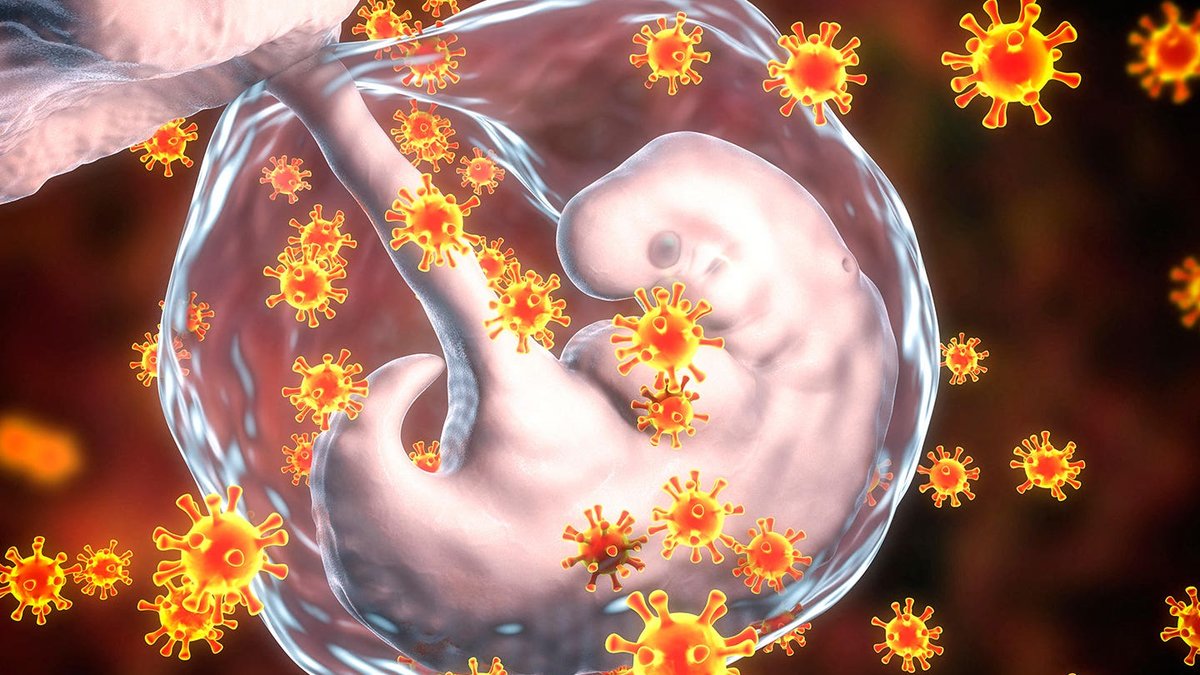
A recent analysis by CDC researchers reveals a concerning rise in congenital measles cases among infants, linked to U.S. measles outbreaks since 2025. From 2025 to September 28, 2026, 13 infants developed congenital measles, with six showing symptoms like fever, rash, conjunctivitis, coryza, and cough. One infant exhibited signs of meningoencephalitis, a severe complication. Thomas Filardo, MD, of the CDC’s National Center for Immunization and Respiratory Diseases, highlighted the urgency of addressing these cases, emphasizing the impact on both mothers and infants.
The study, published in NEJM Evidence, highlights the impact of measles on maternal and neonatal health. They reported 112 confirmed cases of measles in pregnant women across 16 U.S. jurisdictions. Nearly all affected women (98%) were either unvaccinated or had an unknown vaccination history. Of the two vaccinated women, one had a single dose and the other had two doses pre-pregnancy. Twenty-three percent of these women were hospitalized for non-labor-related causes, showing the severity of measles during pregnancy.
Read Also: US tariffs hit smaller drugmakers too
Pregnancy Complications and Infant Risks
Measles during pregnancy poses serious risks. Eleven women were hospitalized for pneumonia, a common complication. Among 21 reported pregnancies, 19 resulted in live births, with eight infants born preterm and admitted to neonatal intensive care units (NICU). Two pregnancies ended in loss. Infected mothers face higher risks of hospitalization, pneumonia, and mortality, while infants are more likely to have low birth weight and require intensive care. Nearly half of the live births were preterm, and eight infants needed NICU admission, reflecting the grave consequences of maternal measles.
Infants with congenital measles face severe conditions, including encephalitis and subacute sclerosing panencephalitis, which can be fatal. The MMR vaccine, a live-attenuated vaccine, is not recommended during pregnancy, making pre-pregnancy vaccination and high community immunity critical. Filardo and colleagues stressed that protection relies on vaccinating women before pregnancy and maintaining robust community immunity to prevent outbreaks.
Vaccination Gaps and Outbreaks
The U.S. has seen a record 5,412 measles cases as of November 12, the highest in decades. Adam Ratner, MD, emphasized that 97% of cases occurred in unvaccinated individuals. Congenital measles, he said, emerges when measles control falters. The surge in cases coincides with the U.S. losing its measles elimination status, marking a significant public health regression.
Read Also: NIH reorganizes clinical trial funding system
Healthcare Preparedness and Policy Challenges
The CDC urges healthcare systems to prepare for measles cases in pregnant women and infants, especially in undervaccinated communities. Unvaccinated pregnant women exposed to measles should receive intravenous immunoglobulin as post-exposure prophylaxis. Infants exposed in utero should also receive immunoglobulin at birth. These measures are critical to mitigating the risks associated with congenital measles.
Despite the growing threat, HHS officials reportedly blocked CDC scientists from issuing a nationwide alert to doctors about measles risks in pregnancy. This decision comes as the U.S. grapples with losing its measles elimination status and faces the largest outbreak in 30 years. Most maternal measles cases (96%) were linked to large outbreaks of at least 50 cases, highlighting the role of community transmission in driving these infections. The Associated Press contributed to this story.
