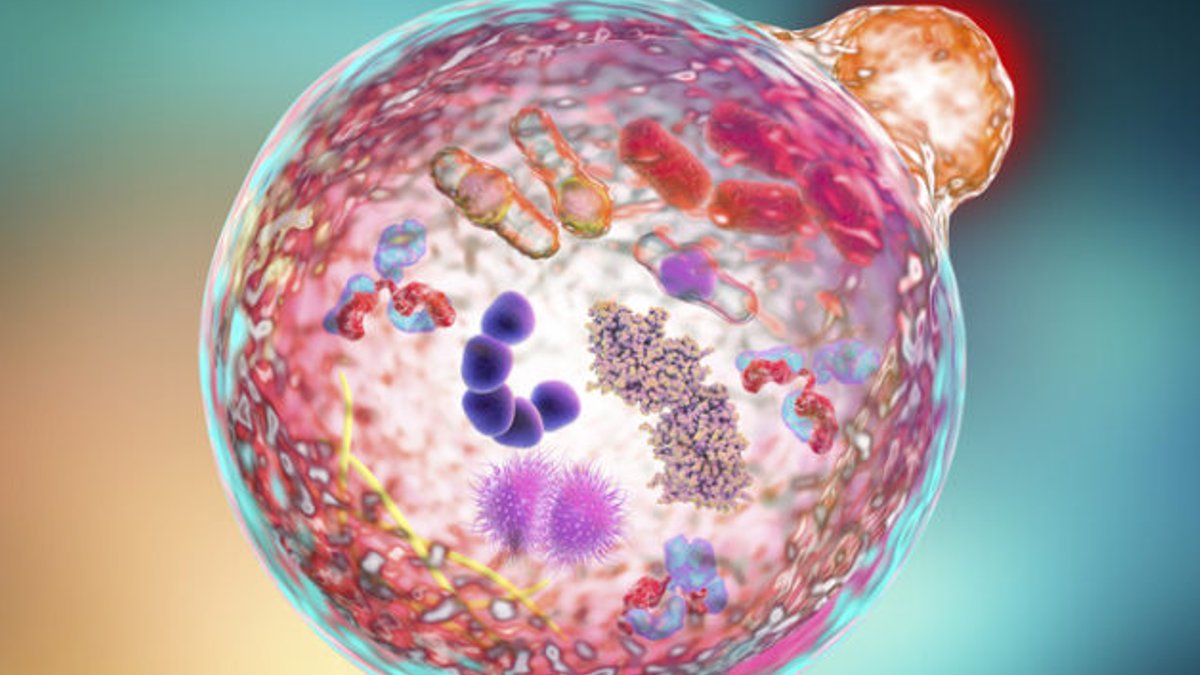
Scientists are exploring a way to treat fibrotic disease by reactivating a cellular process that naturally declines with age. Chaperone-mediated autophagy acts as the cell’s recycling system, breaking down damaged components. New research in mice suggests that restoring this function could reduce tissue scarring and improve the body’s ability to repair itself.
The link between aging and tissue scarring
Cellular senescence is a stress response that stops a damaged cell from dividing. These cells remain alive and metabolically active, but they stop dividing normally. They release signals that recruit immune cells to help coordinate repair after an injury. However, when these senescent cells persist rather than being cleared away, they can cause problems. They may affect nearby cells, maintain inflammation, and contribute to the buildup of fibrotic tissue.
According to a report in Nature Aging, chaperone-mediated autophagy gradually declines with age. As this recycling system weakens, cells begin to secrete proteins and metabolites linked to aging or senescence. In older animals, age-related changes in both senescent cells and the immune cells responsible for removing them allow these cells to accumulate and play a role in disease.
Restoring the recycling system
The research team, led by Ana Maria Cuervo of the Albert Einstein College of Medicine, genetically impaired this autophagy process in cells. They compared fibroblasts from young mice with those from old mice. The older cells had less recycling activity even before senescence was triggered, and they could not increase this activity when they became senescent. When the researchers disrupted this recycling system in young cells, the cells developed many of the same protein changes seen in old cells.
To test whether this could work in living organisms, the researchers treated 18-month-old mice with a compound called CA77.1 for five months. Markers of senescence fell across different tissues with some reduction in fibrosis. In a lung-injury model, starting treatment two days after the injury reduced fibrosis by about 55% by day seven.
While the findings are mostly based on studies in mice, the researchers also looked at human tissue. They evaluated chaperone-mediated autophagy in idiopathic pulmonary fibrosis and healthy lung tissue to see if the mechanisms could apply to people. The results suggest that instead of trying to kill senescent cells directly, it may be possible to restore their interaction with the immune system so the body can clear them naturally.
