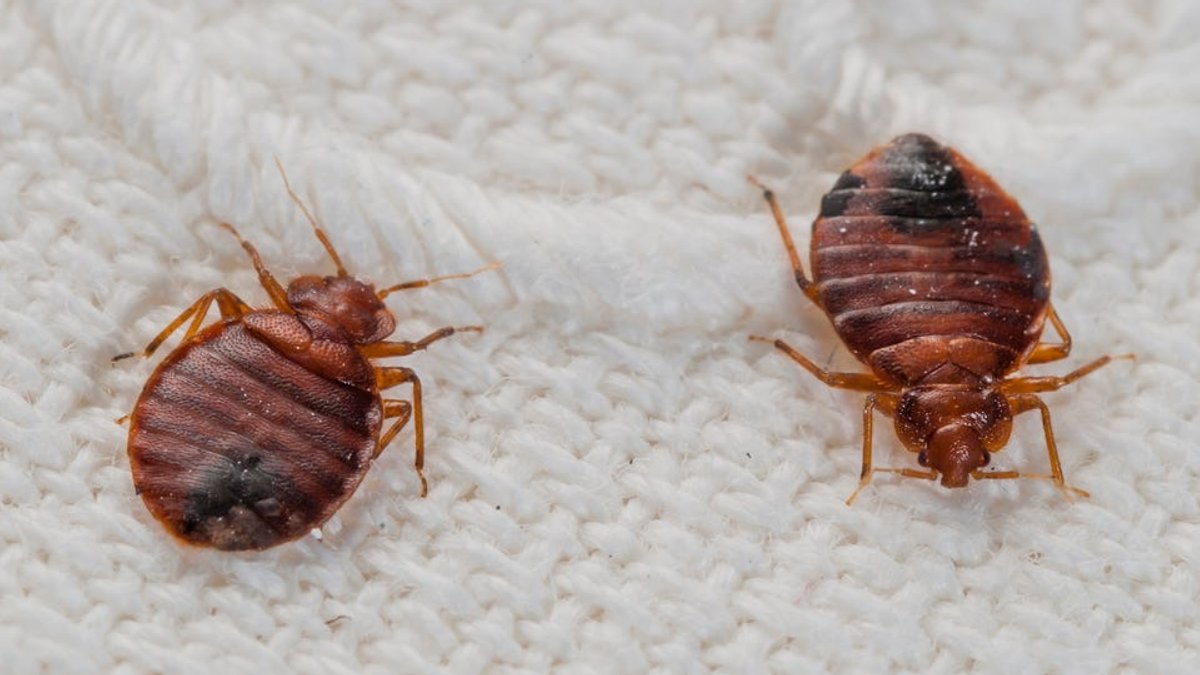
Discovering bed bugs in a home often triggers immediate panic.
These pests feed on human blood, typically at night, and an infestation can feel overwhelming. Edwin Rajotte, Ph.D., a professor of entomology at Penn State University, notes that bed bugs have had millions of years of evolution to fine-tune their feeding system and not wake the host. Consequently, homeowners often remain unaware of a problem until the population becomes pervasive or until physical signs like bites appear the following morning.
Kenneth Haynes, Ph.D., a professor of entomology at the University of Kentucky who specializes in bed bug biology, explains that these insects are blood-feeding ectoparasites, meaning human blood is their sole food source. This biological necessity drives them to live near the host, specifically in bedrooms close to where people sleep. Bed bugs use chemical signals to aggregate in cracks, crevices, and dark spaces during the day. At night, usually between 2 a.m. and 4 a.m., body odor, heat, and carbon dioxide emissions stimulate the insects to emerge. They then utilize a straw-like mouthpart to pierce the skin and tap directly into blood capillaries.
Eliminating these pests is notoriously difficult and expensive. Timothy Gibb, Ph.D., a clinical professor of entomology at Purdue University who’s studied bed bug infestations, describes them as the “perfect parasite” because they are cryptic and skilled at staying hidden. Johnalyn Gordon, Ph.D., assistant professor of urban entomology at the UF/IFAS Fort Lauderdale Research and Education Center, adds that adult bed bugs can survive for several months without feeding, which significantly complicates detection efforts. Furthermore, a single female can lay an average of 200 to 300 eggs—sometimes up to 500—in her lifetime, with nymphs maturing into adults within a month to continue the reproductive cycle.
Resistance to common insecticides exacerbates the issue. Gibb points out that bed bugs are resistant to many store-bought treatments, particularly pyrethroids. Because a single pregnant female can restart a population quickly, missing even a few insects can result in a resurgence. Therefore, experts recommend using integrated pest management (IPM), which employs multiple tactics rather than relying on a single method.
Related: 5 Ways Adult Day Services Can Enhance Quality of Life
Identifying an infestation early is key. Edwin Rajotte suggests looking for bites arranged in a row of three or four on the upper arm. Visual inspection should focus on finding apple seed-sized adults that are flat and brownish, or pinhead-sized babies. Black spots on sheets or mattresses, which indicate feces, are another warning sign. If the population seems limited to 10 to 15 bugs, homeowners might manage the issue themselves, but entrenched populations numbering in the thousands typically require professional pest control.
Controlling the population begins with laundering. Sheets, bedding, mattress covers, and clothing should be washed and dried at high heat, but these items must not be reintroduced until the infestation is eradicated. Vacuuming around mattresses and steaming cracks can also reduce numbers. Additionally, zippered mattress encasements can trap existing bugs on the mattress and prevent new ones from establishing in seams.
To effectively kill the remaining bugs, heat treatments are highly effective but require professional equipment to raise the room temperature to at least 119 degrees in every crack and cranny. If attempting chemical control, homeowners should avoid pyrethroids and instead use diatomaceous earth or specific bio-oil sprays like Eco-Raider. These alternatives do not break down quickly and only require a single application.
Prevention remains the best defense. Travelers should inspect hotel beds for fecal spotting and check luggage thoroughly. Secondhand furniture and mattresses should be inspected before bringing them inside. Placing potentially exposed clothing in a dryer for a full cycle at 120 degrees Fahrenheit will kill all life stages, including eggs. Gibb emphasizes that while anyone can get bed bugs, getting rid of them requires a concentrated, persistent effort over multiple rounds of treatment.
