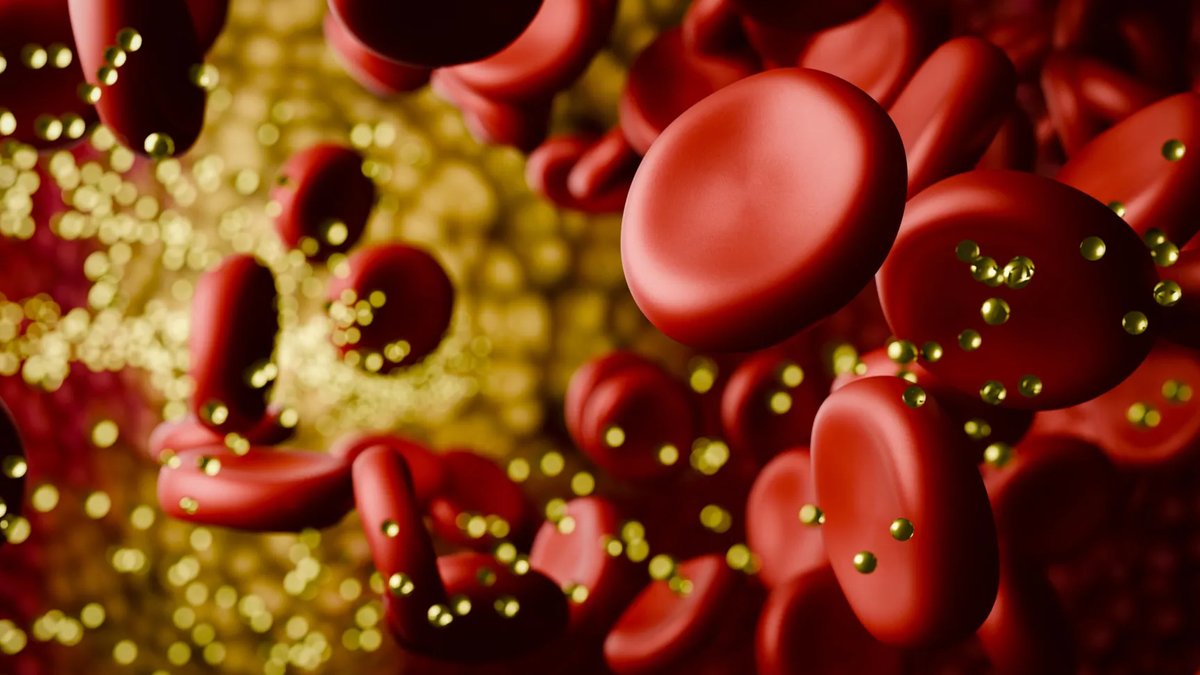
Low-carb diets do not affect every person’s cholesterol the same way, and new research points to genetics as a primary reason why. Some individuals see little change in their cholesterol levels, while others experience a substantial increase. The findings, presented at NUTRITION 2026, suggest that saturated fat may interact with a person’s genetic makeup to raise low-density lipoprotein (LDL) cholesterol, which is a major contributor to heart disease risk.
Earlier research has found that healthy low-carbohydrate diets can help some people lose weight and improve blood sugar control. Their impact on LDL cholesterol, however, has been inconsistent. Investigators wanted to determine whether genetic information could help identify people who are more likely to benefit from eating fewer carbohydrates and those who may instead experience a potentially dangerous rise in LDL cholesterol.
The analysis used data from DIETFITS, a randomized controlled trial involving more than 600 adults who followed either a healthy low-carb diet or a healthy low-fat diet for one year. The original trial found no significant advantage for either diet regarding weight loss.
Alexa Barad, a postdoctoral scholar at Stanford University School of Medicine, stated that some individuals may be more sensitive to the LDL cholesterol-raising effects of saturated fat, particularly in the context of a low-carbohydrate diet, because of their genetic background.
Related: Firstborns face higher disease risks study finds
For the new analysis, the scientists focused on 431 participants for whom genetic data were available. They examined how genotype, saturated fat consumption, diet type, and changes in LDL cholesterol from baseline to 6 months were related. Among participants assigned to the low-carb diet, those who were genetically predisposed to higher LDL cholesterol were more likely to experience an increase.
The team found that greater sensitivity to saturated fat appeared to drive this pattern. Participants with the highest genetic risk showed the largest LDL increases when they consumed more saturated fat. The same relationship was not observed among people following the low-fat diet.
Instead of examining only individual genetic variants, the investigators combined thousands of variants from across the genome, creating what is known as a polygenic score. This allowed them to estimate each participant’s overall genetic tendency toward higher or lower LDL cholesterol.
Dietary advice often gets flattened into blanket rules. Two people can follow the same plan and walk away with completely different lab results, which is frustrating for both patients and clinicians trying to make sense of conflicting outcomes. The practical takeaway is that individual responses vary enough to warrant checking blood work rather than assuming one approach fits everyone.
Related: Experts pick top pillows for neck pain
Barad said that polygenic scores could eventually help clinicians identify people who are more likely to experience unfavorable cholesterol changes after certain dietary modifications. Genetic testing is not required to draw a practical lesson from the findings, though. The scholar noted that people can respond very differently to the same dietary change, making it important to monitor how an individual’s body responds rather than assuming a particular diet will produce the same results for everyone.
There is real heterogeneity in how people respond to diet. Dietary conversations can sometimes become overly simplified. One person may say that these diets always raise LDL cholesterol, while another says their levels did not change at all. The work suggests that both experiences can be true, depending, at least in part, on the individual’s genetic makeup.
Additional research will be needed to confirm the results and determine whether they apply broadly across more diverse populations. Current dietary guidance generally recommends keeping saturated fat below 10% of daily calories and choosing unsaturated fats when possible. For people who follow a low-carbohydrate diet, Barad suggested emphasizing sources such as nuts, seeds, olive oil, and avocado rather than foods rich in saturated fat, including butter, beef tallow, fatty cuts of meat, and processed meats. Doing so may help lower the risk of an unfavorable cholesterol response.
The DIETFITS trial was funded by grants from the National Institute of Diabetes and Digestive and Kidney Diseases, the National Heart, Lung, and Blood Institute, and the Stanford Clinical and Translational Science Award. The scholar was supported by an American Heart Association Postdoctoral Fellowship. Abstracts presented at NUTRITION 2026 were evaluated by a committee of experts but have not generally undergone the same peer review process required for publication in a scientific journal, so the findings should be considered preliminary until a peer-reviewed publication is available.
