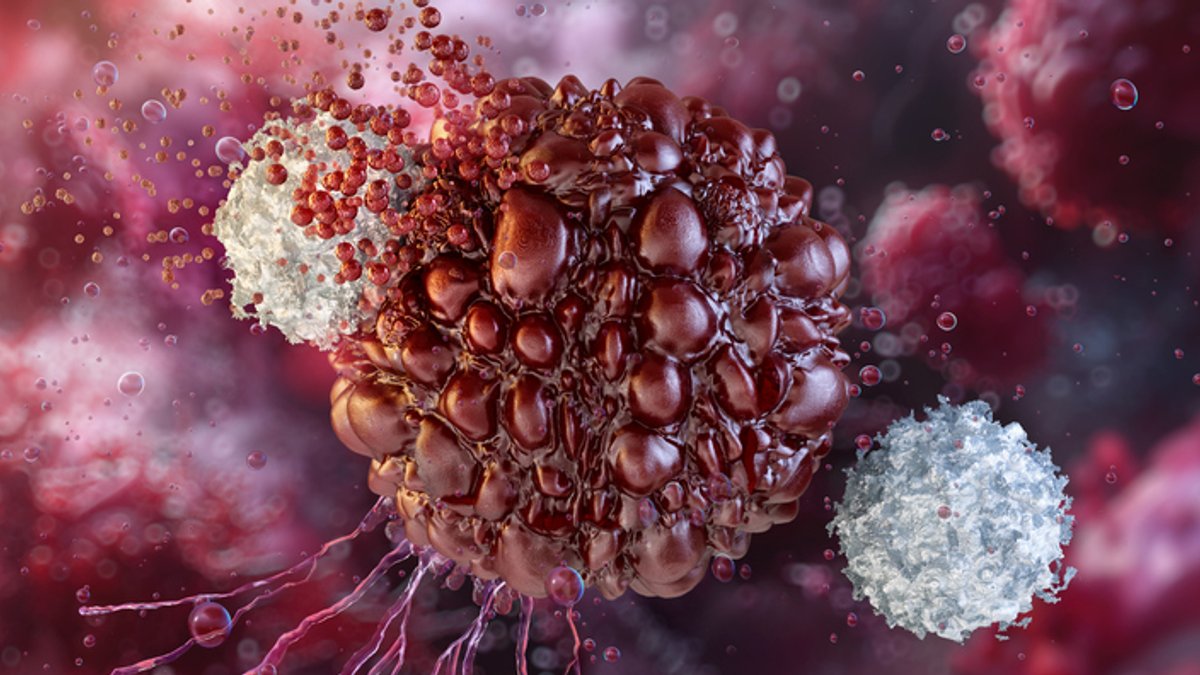
Scientists at Adelaide University have created a novel immunotherapy method using specialized mRNA nanoparticles to modify immune cells directly within tumors. These lipid-based particles target tumor-associated macrophages (TAMs), which are abundant in many solid tumors and frequently weaken the immune system’s cancer-fighting capabilities. The breakthrough, detailed in Science Advances, addresses a persistent problem where the tumor environment prevents effective attacks even when cancer is recognized. It avoids destroying these macrophages entirely but instead alters their behavior to support anti-tumor responses.
The nanoparticles carry two active components: an antibody against the TREM2 protein, which marks immunosuppressive TAMs, and a coating that enables precise delivery. This antibody specifically steers the particles toward these macrophages while limiting uptake by cancer cells. One payload, resiquimod, stimulates immune receptors TLR7 and TLR8, pushing macrophages away from their tumor-protective role. The second payload, mRNA, programs the cells to generate CXCL9—a signaling molecule that draws in CD8+ T cells, the immune system’s main cancer-killing units.
Testing in mice with aggressive 4T1 breast tumors demonstrated the treatment’s potential. It cut immunosuppressive macrophage populations by over 60% and quadrupled CXCL9 production. This shift allowed more CD8+ T cells to infiltrate tumors, where they became more active. As a result, tumor growth slowed noticeably in the test subjects. The nanoparticles were administered intravenously, facilitating systemic delivery to the tumor site.
When combined with established checkpoint inhibitors—such as PD-L1 and CTLA-4 blockers, the approach amplified cancer-fighting T cells and central memory T cells within tumors. These memory cells are vital for mounting a response if the immune system encounters the same threat again. However, the combination did not further reduce tumor growth in these models. The researchers attributed this to the 4T1 tumor’s inherent resistance to such inhibitors and the fact that other immune-suppressing cells in the environment remained untouched by the nanoparticle treatment.
Safety assessments in mice confirmed the nanoparticles posed minimal risk to healthy organs. The team emphasized that while acute toxicity was low and the treatment was well tolerated, broader inflammation and long-term effects would need deeper investigation before advancing to human trials.
This method contrasts sharply with conventional cancer therapies, which often focus on destroying tumor cells directly. Instead, it reshapes the tumor’s immune surroundings to make them more receptive to the body’s natural defenses. The findings establish a working model for using targeted mRNA delivery to influence immune cell behavior in solid tumors, though significant hurdles remain before human applications can be explored.
The researchers highlighted their system’s ability to deliver therapeutic agents precisely to immunosuppressive cells, potentially enhancing the performance of existing immunotherapies. Moving forward, they will focus on refining the technology and conducting larger-scale safety evaluations to determine its viability in clinical settings.
Adelaide University’s work suggests that reprogramming rather than eliminating key immune cells could unlock new paths for cancer treatment. The approach may eventually complement or improve upon current immunotherapies by addressing resistance mechanisms that limit their effectiveness.
