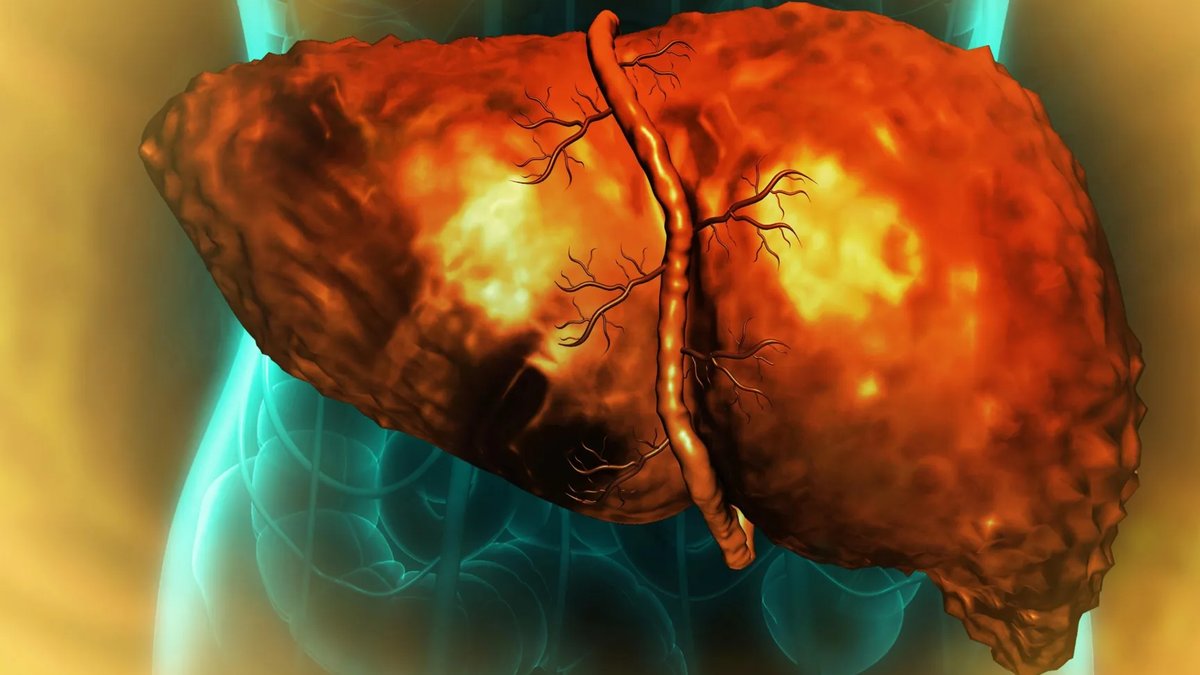
Scientists have uncovered why the liver can lose its ability to repair itself even after someone stops drinking alcohol. A new study identifies a cellular mechanism that leaves damaged livers stuck in a kind of limbo, unable to complete the regeneration process that typically makes the organ so resilient.
A Cellular Trap
The liver is one of the few organs that can regenerate after significant damage. Under normal conditions, mature liver cells can temporarily shift into a less specialized state, multiply, and then mature again to restore lost tissue. Researchers at the University of Illinois Urbana-Champaign, Duke University, and the Chan Zuckerberg Biohub Chicago found this process breaks down in people with alcohol-associated liver disease.
The team compared healthy liver samples with tissue from patients with alcohol-associated hepatitis or cirrhosis. In the diseased samples, cells had begun moving away from their mature state toward regeneration, but they could not finish the transition. They remained trapped between the two stages.
Related: Oregon faces greater quake risk than thought
“They are neither functional adult cells nor proliferative progenitor cells,” said graduate students Ullas Chembazhi and Sushant Bangru, the study’s co-first authors. “Since they are not functioning, more pressure builds on the remaining cells. So they try to regenerate, and they’re all ending up in this unproductive quasi-progenitor state, and that’s what is causing liver failure.”
The result is a self-reinforcing cycle. As more cells enter this unproductive state, fewer cells remain to perform the liver’s normal work. The remaining healthy cells face greater demands and attempt to regenerate, only to risk becoming trapped themselves. Alcohol-associated liver disease accounts for roughly 3 million deaths worldwide each year, making it the leading cause of liver-related mortality globally.
RNA Splicing Goes Wrong
To understand what prevented the cells from completing regeneration, researchers examined the proteins being produced inside liver cells and the RNA molecules that carry genetic instructions from DNA to the cellular machinery that builds proteins. Before many RNA molecules can be used, pieces must be cut and joined together in a process called RNA splicing.
The team used deep RNA sequencing to examine how RNA fragments were being spliced, rather than simply measuring total amounts of RNA and protein. The difference proved significant.
Related: Nutrient Found to Lower Blood Pressure
“In comparing the samples, we saw RNA was getting misspliced broadly in alcohol-related liver disease, across thousands of genes, and it was affecting major functions of proteins,” said Auinash Kalsotra, a biochemistry professor at the University of Illinois who co-led the study with Anna Mae Diehl from Duke University School of Medicine.
The missplicing altered molecular instructions that tell proteins where inside the cell they need to go. Proteins function at specific locations, and misrouting them can render them useless even if they are present in normal amounts.
The researchers identified low levels of a protein called ESRP2 as a possible driver of these widespread errors. ESRP2 binds to RNA and helps ensure it is spliced correctly. In alcohol-damaged liver cells, ESRP2 was deficient. The team traced the problem back to inflammation. When alcohol is processed by the liver, it damages tissue and attracts immune cells to affected areas. Those cells release high levels of inflammatory factors that suppress both the production and activity of ESRP2.
Potential Paths Forward
The researchers tested whether interrupting this inflammatory signal could reverse the problem. In laboratory cultures of liver cells, they used a molecule that blocks the receptor for one inflammation-promoting factor. After treatment, ESRP2 levels recovered and RNA splicing became more normal. The finding suggests the pathway could become a treatment target. Future therapies might attempt to interrupt the inflammatory signals preventing cells from completing regeneration rather than trying to replace damaged tissue directly.
Related: Top Creatine Supplements for Women Over 50
The team also sees potential diagnostic uses. Abnormally spliced RNA molecules could potentially serve as biological markers to help identify or monitor alcohol-associated liver disease. The diseased samples used in the study came from Johns Hopkins University Hospital through an initiative supported by the National Institute on Alcohol Abuse and Alcoholism.
“I’m hopeful these findings will become a launching pad for future clinical studies,” Kalsotra said. “We can use these mis-spliced RNAs as diagnostic markers or develop treatments that can curb the inflammation. And if we can correct the splicing defects, then maybe we can improve recovery and restore damaged livers.”
The study, published in Nature Communications, received support from the National Institutes of Health, the Chan-Zuckerberg Biohub Chicago, the Duke Endowment, and the Muscular Dystrophy Association.
