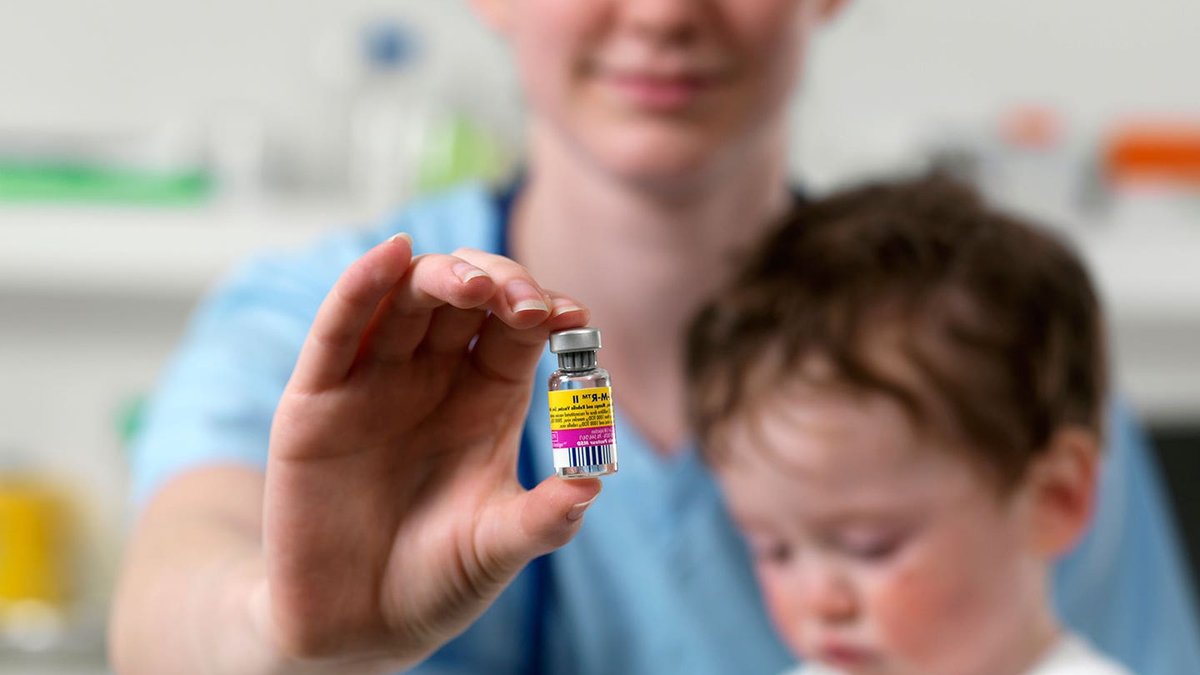
The U.S. has lost its measles elimination status, a designation it had held since 2000. This change is due to a significant increase in measles cases, with over 5,400 cases reported so far this year, more than double the total in 2025.
According to the Pan American Health Organization (PAHO), measles elimination meant that the same measles strain had not been spreading for at least 12 months. However, the last two years have seen outbreaks spreading via transmission within the U.S.
Measles Transmission and Vaccination Rates
For those who are unvaccinated, a measles exposure brings up to 90% risk of infection and a 20% chance of hospitalization. The reason for the loss of elimination status is simple: declining vaccination rates. The number of children entering kindergarten with the measles, mumps, and rubella (MMR) vaccine has been declining since the COVID pandemic.
Only 10 states, including California, have reached the target of 95% vaccination rate in 2025-2026. However, the majority of Americans support vaccination, with over 80% of adults and 76% of parents believing the benefits of childhood vaccines for MMR outweigh the risks.
Despite the trust in vaccines, many families cite confusion around vaccine recommendations, insurance coverage, and overall difficulty accessing care as barriers. These logistical issues are more often cited by families with lower incomes, despite their desire to access and receive vaccines.
Regaining Measles Elimination Status
To regain elimination status, the first step is to make it easy and affordable for children to get the MMR vaccine. CDC director Erica Schwartz plans to continue working with states to make the vaccine available and to educate families on its role in prevention.
However, the current approach may not be enough. Public health, clinic systems, and community-based organizations must make it easier to access immunization by bringing vaccines to where people live and spend time, such as local pharmacies, health fairs, schools, and community centers.
Read Also: US tariffs hit smaller drugmakers too
Increasing outreach, education, and sharing information with community leaders to ensure that families know where and how to get vaccines is critical. For those who get sick, quality testing must be available and easily accessible, especially for those who may be facing cuts to their insurance coverage.
A new measles test has been developed and can diagnose hundreds of cases within 8 hours, but the CDC has not provided the tools states need to use it as of last month. States are left on their own to develop high volume testing capacity, despite the fact that 46 states plus Washington D.C. have reported measles cases so far in 2026.
The portion of children with a usual source of care, like a trusted pediatrician or health clinic, has been declining since 2014, with more than 30% of children lacking age-appropriate preventive care visits each year. This decline in access to care is a significant challenge in the effort to regain measles elimination status.
Health department partnerships with state pharmacy boards and pharmacy chains are critical to increasing the number of pharmacies available as vaccine access points. Policies that expand pharmacists’ ability to vaccinate young children can also improve access to the MMR vaccine.
The CDC and state health departments must work together to make the MMR vaccine more accessible and to educate families about the importance of vaccination.
In comparison to other countries, the U.S. can learn from the experiences of nations that have successfully implemented public health campaigns to increase vaccination rates. For example, countries in Asia and Africa have shown that it’s possible to achieve population-level immunity through coordinated efforts.
