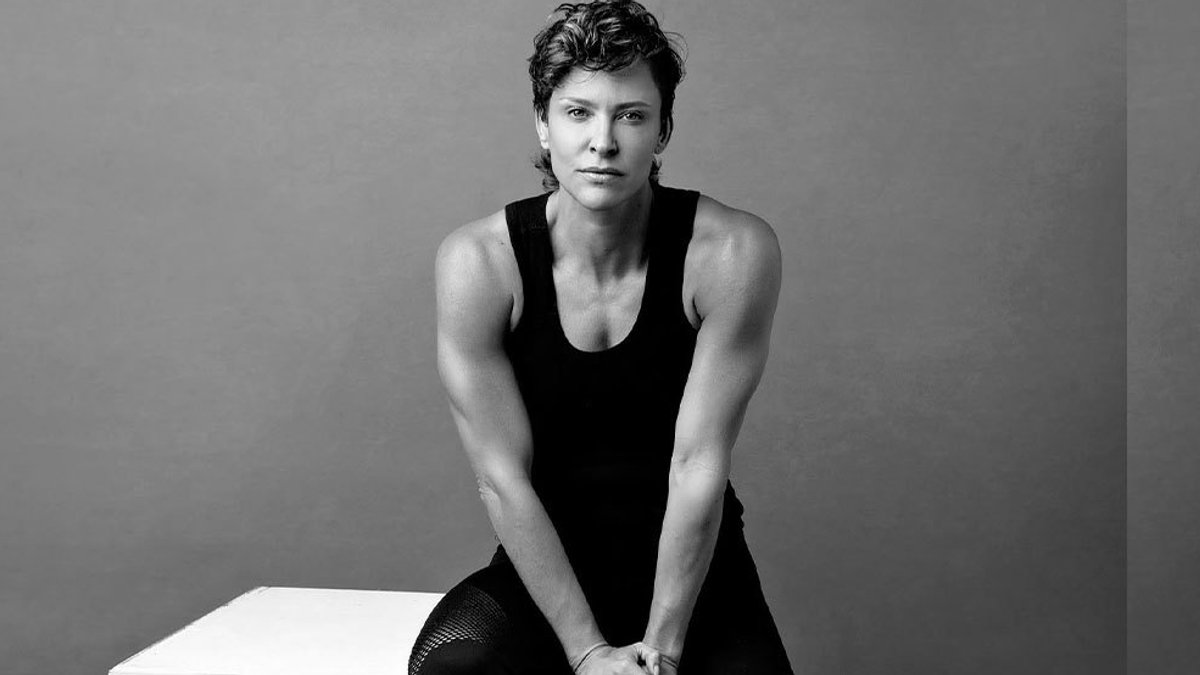
Jill Wagner spent two years rebuilding her body for the role of Bobby in Lioness. The process began with a single sit-up she couldn’t do.
Read next: Are Your Itchy Bites From Bed Bugs or Fleas? How to Spot the Difference
The Starting Line Was Humiliation
When a trainer asked Wagner to perform a sit-up after her second pregnancy, she couldn’t lift her shoulders off the floor. The moment exposed the gap between what her mind still believed and what her body could actually do.
“This is never going to happen,” she remembers thinking.
Related: Nabla Appoints New Chief Executive Officer
Her trainer answered, “Yes, it will.”
That exchange marked the beginning of a transformation most stories skip. There was no dramatic before-and-after reveal—just the daily grind of relearning strength from zero. Wagner had grown up playing sports, but postpartum recovery had stripped her of even basic athleticism. The role demanded more than lean muscle. It required a body that carried itself like it had spent years under load.
Muscle Wasn’t the Goal—Authority Was
Wagner worked with three trainers over two years, each focusing on a different part of the process. Cardio had dominated her previous fitness routine, but Bobby couldn’t be built by burning calories alone. She needed density in her back, shoulders, and arms—strength that existed before the camera started rolling.
Related: Digital health sees surge as large funding rounds lift investment
“Weight training opened a whole new perspective for me,” she says. “I’m 47 years old, and I’m probably in the best shape of my life.”
Progress came unevenly. Some days, she told her trainer her body couldn’t handle the load. He told her to trust the process. Eventually, the woman who couldn’t do one sit-up was completing bent-over rows with 90 pounds. The final weight didn’t matter as much as the distance between that first failure and the result.
Hollywood can fabricate a tactical set or choreograph a fight, but it can’t manufacture the body language of someone who has spent years lifting. Wagner’s physical presence changed because she had changed. Her strength wasn’t theoretical anymore.
Related: Workers strike at major US hospitals
This change mirrors a shift in how female roles are written. Audiences now respond to women who look capable, not just delicate. Muscle and physical presence aren’t distractions from femininity—they’re part of the performance. But training alone wasn’t enough. Wagner’s body lacked the testosterone to achieve the physique the role demanded. She had to eat her way there.
“As a woman, I didn’t have the testosterone to get the physique that I needed Bobby to have,” Wagner says. “I had to eat my way there. Tons of protein.”
Her meals became structured, portions became deliberate, and protein became non-negotiable.
