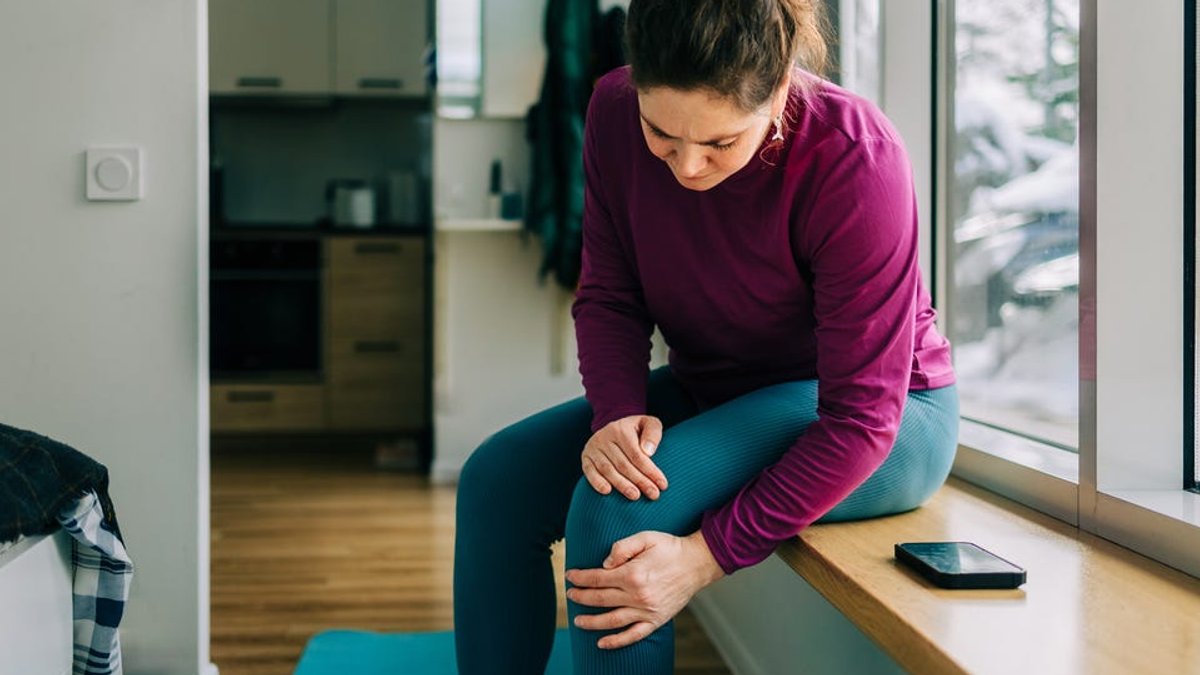
New research indicates a common prebiotic supplement may help reduce knee arthritis pain, supporting evidence that gut health affects inflammation and chronic pain.
The study, published in Nutrients, involved 117 adults with knee osteoarthritis. Participants were divided into four groups: one took a daily dose of inulin, a prebiotic fiber; another completed a digital physiotherapy-supported exercise program; a third combined both treatments; and the last received a placebo.
Pain relief and improved strength
After six weeks, the group taking the prebiotic experienced notable pain reduction and better grip strength. These results match earlier work connecting gut health to inflammation and how the body perceives pain.
Related: Eating Habit May Preserve Brain Function
Melissa Prest, a registered dietitian and spokesperson for the Academy of Nutrition and Dietetics, explained that diet is often considered for preventing conditions like diabetes or heart disease. However, what people eat may also impact inflammation, the gut microbiome, and pain. Since osteoarthritis involves localized inflammation, interventions that support gut health make sense as a research focus.
Karena Wu, a board-certified orthopedic physical therapist, pointed to inulin’s specific effects. The fiber boosts glucagon-like peptide (GLP-1), a molecule involved in communication between the gut, brain, and muscles. Enhanced GLP-1 secretion can help regulate pain and lessen cartilage breakdown in the joint.
Not a standalone solution
Though the findings are encouraging, experts note prebiotics are not a complete answer. The trial was small, and some participants dropped out. The team also couldn’t fully clarify how the pain improvements occurred.
Prest called for larger studies to confirm the results and identify who might benefit most. She stressed that prebiotics should not replace existing arthritis treatments but could serve as an affordable, additional option. For those interested, food sources offer a practical starting point. She suggested eating more onions, garlic, asparagus, oats, barley, beans, lentils, bananas, and Jerusalem artichokes. These foods provide fiber and other nutrients that help gut bacteria thrive.
Related: HCA lowers 2026 profit outlook on insurance losses
Supplements may work for people who struggle to get enough prebiotics from meals, though they aren’t right for everyone. Some individuals experience gas, bloating, or stomach discomfort when first taking them, especially if they increase fiber too quickly. Those with conditions like irritable bowel syndrome or inflammatory bowel disease should talk to a doctor before trying them.
The study contributes to research on the gut’s role in chronic pain. While the results are early, they suggest simple dietary adjustments—like eating more prebiotic-rich foods—might help with osteoarthritis. Experts agree more work is needed before prebiotics become a standard recommendation.
If you suffer from knee arthritis pain and haven’t noticed an improvement, discussing prebiotics with your healthcare provider may be worth considering.
