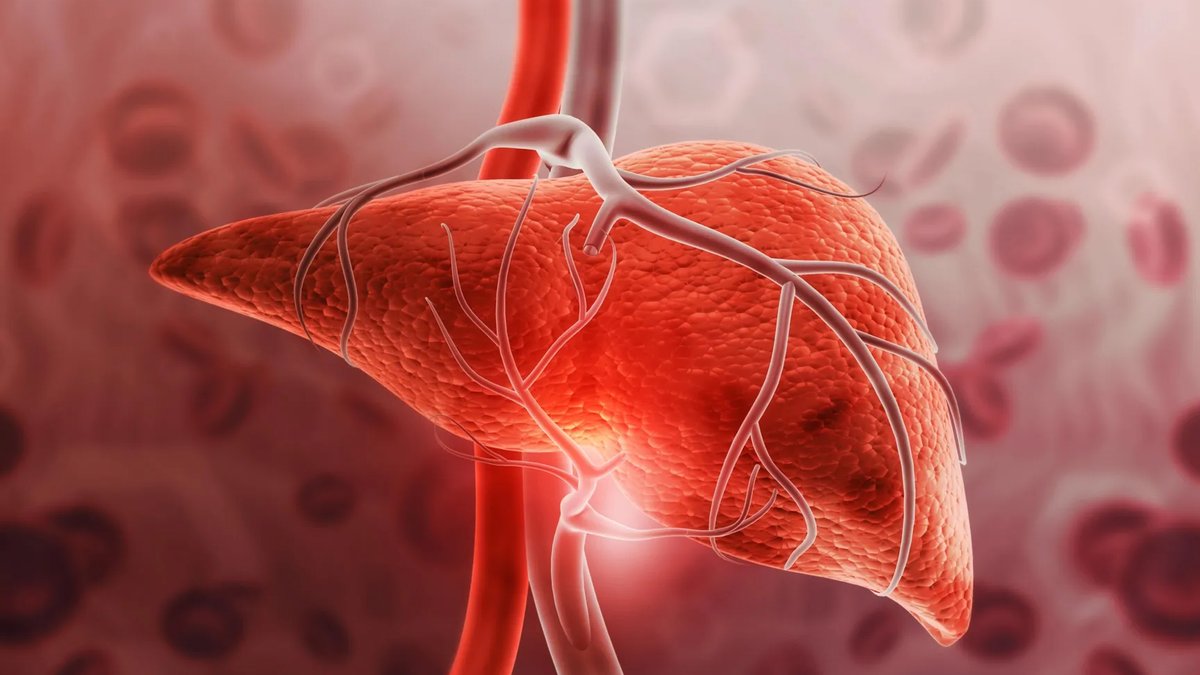
Researchers at McMaster University found that a hormone known for reducing appetite may also shield the liver from inflammation, regardless of weight loss. Their work, published in Cell Metabolism on August 10, 2026, opens possibilities for new treatments targeting advanced fatty liver disease, which affects millions globally.
GDF15’s role in liver protection
The hormone, GDF15, has been studied primarily for its ability to decrease food intake and encourage weight loss. The latest research shows it also triggers a brain-to-liver pathway that reduces inflammation and slows fibrosis. This benefit occurs without any change in weight, challenging earlier assumptions that GDF15’s effects depended entirely on body mass.
Gregory Steinberg, a McMaster professor and the study’s senior author, explained that GDF15 appears to be part of the body’s natural defense against chronic liver damage. “GDF15 activates a pathway that helps quiet the liver’s immune response,” he said. “This shifts how we understand the hormone’s function.”
The team used mouse models to replicate metabolic dysfunction-associated steatohepatitis (MASH), a severe form of fatty liver disease. Through genetic, pharmacological, and genomic methods, they tracked how GDF15 initiates a signal cascade from the brain to the liver. The hormone stimulates the release of glucocorticoids, steroids that regulate metabolism and immune activity.
These glucocorticoids help lower liver inflammation. The protective effects remained even when food intake, body weight, and liver fat levels stayed the same. Dongdong Wang, the study’s lead author and an assistant professor at McMaster, noted that GDF15 seems to “reprogram” liver cells, pushing immune cells into a less active state to limit further harm.
A hormone with multiple roles
GDF15 has previously shown unexpected functions. In 2023, Steinberg and Wang demonstrated that the hormone helps maintain calorie burning during weight loss. Their latest work reveals an anti-inflammatory role, operating through a different biological route.
For patients with MASH, inflammation drives disease progression. While weight loss drugs have improved outcomes, inflammation often persists, leaving patients vulnerable to cirrhosis, liver cancer, or failure. The findings suggest that addressing liver inflammation directly—alongside weight-focused therapies—might provide better results.
Related: NASA finds SpaceX rocket’s moon crash site
Steinberg, an executive member of NexusHealth at McMaster and chief scientific officer, shareholder, and co-founder of Espervita Therapeutics, recently co-authored preclinical research describing a promising approach.
The research received support from the Natural Sciences and Engineering Research Council of Canada, the Canadian Institutes of Health Research, and Diabetes Canada.
Future treatments for MASH may combine weight loss strategies with therapies that replicate GDF15’s anti-inflammatory effects. For patients, this could mean fewer complications from scarring and slower disease progression, even without weight changes.
The broader implications reach beyond MASH. Glucocorticoids, activated by GDF15, are already used to treat conditions like arthritis and asthma. However, their long-term use can lead to side effects, including weight gain and metabolic problems. A therapy leveraging GDF15’s pathway might reduce inflammation more precisely.
Wang noted that spatial transcriptomics, a method mapping gene activity in tissue, helped uncover how GDF15 changes immune cell behavior in the liver. “It creates a more protective environment instead of causing damage,” he said.
The findings come as fatty liver disease rates rise, driven by increasing obesity and diabetes. MASH is now a leading cause of liver transplants in the U.S. and Europe. While lifestyle changes and weight loss remain central to treatment, the research indicates that biological mechanisms may offer additional solutions.
A nutrient shown to lower blood pressure has also been linked to improved liver health in some studies.
