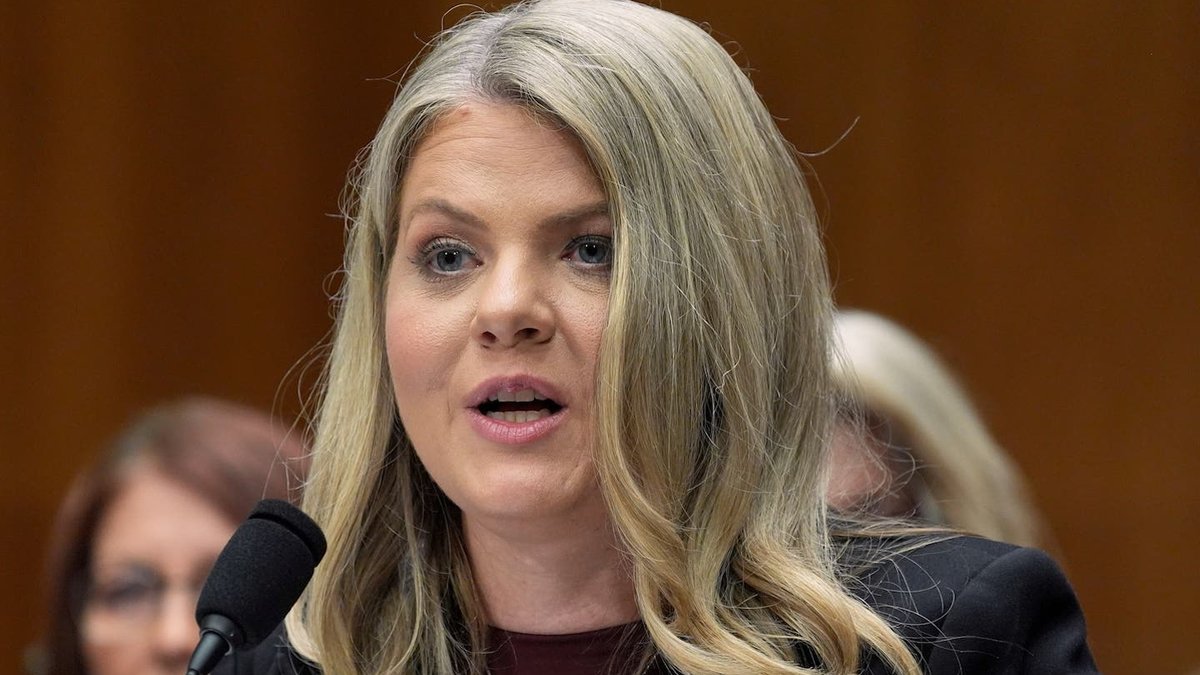
The White House announced Tuesday that it has withdrawn the nomination of Heidi Overton, MD, PhD, to serve as commissioner of the FDA. The decision came after growing signs that the nominee lacked sufficient Senate support.
Nomination and Senate concerns
Overton, a physician and domestic policy adviser, spent most of her career working for former President Trump and allied conservative groups. Her August nomination was intended to bring a steady hand with Trump-aligned credentials after a turbulent year under former commissioner Marty Makary.
Senators from both parties raised doubts about Overton’s willingness to distance herself from Trump’s unfounded claims about childhood vaccine risks. Sen. Bill Cassidy, MD (R-La.), who chairs the Senate health committee, said he remained undecided ahead of a critical vote scheduled for Wednesday.
Cassidy previously noted Overton’s support for Trump’s proposal to dismantle combination vaccines, such as the measles, mumps and rubella shot, as “almost disqualifying.” During a September hearing, the senator pressed her on scientific independence and her readiness to challenge both Trump and Health Secretary Robert F. Kennedy Jr.
Late Tuesday night, Cassidy posted on X that he believed Overton could have secured committee and full-Senate approval. He attributed the withdrawal to disagreements over abortion policy, not vaccine issues, saying anti-abortion Republicans demanded life-issue commitments that the administration refused to make.
To confirm a commissioner, Overton would have needed the votes of all twelve Republicans on the Senate Health, Education, Labor, and Pensions Committee. Democrats hold eleven seats on that panel. Without committee endorsement, a full-Senate vote was unlikely.
Political backdrop and agency leadership
Republicans are racing to confirm remaining Trump nominees before Senate Democrats assume control in January. Cassidy, who lost a primary race in June, faced little downside in opposing the latest FDA pick with only weeks left in his term.
Opposition also surfaced from the Make America Healthy Again movement. Calley Means told a media outlet that White House aides, including Overton, helped advance a Supreme Court decision blocking thousands of glyphosate lawsuits, acting at the behest of industry lobbyists.
The administration has previously rescinded other health nominations. Former Trump nominee for the CDC, David Weldon, MD, was replaced after doubts about Republican backing. Two surgeon-general nominees, including Casey Means, MD, were also withdrawn following Senate pushback.
In the meantime, the FDA remains under acting leadership of Kyle Diamantas, an attorney and close associate of Donald Trump Jr. He was promoted after serving as the agency’s top food official.
The agency is conducting a safety review of the abortion medication mifepristone at Trump’s request. The review could reinstate in-person prescribing requirements, with a report due in March.
Since Trump took office, the FDA has lost roughly 20% of its workforce through layoffs, buyouts, retirements or resignations, contributing to reported morale challenges and internal dysfunction.
Cassidy’s Threats, Voting Record, and Opposition from Health Activists
Senator Bill Cassidy has a history of threatening to oppose health nominees when their positions diverge from his priorities. He has repeatedly used the threat of withholding his vote to secure commitments on upholding vaccine standards, including from Health Secretary Robert F. Kennedy Jr. These tactics aimed to align nominees with his view on vaccine policy.
