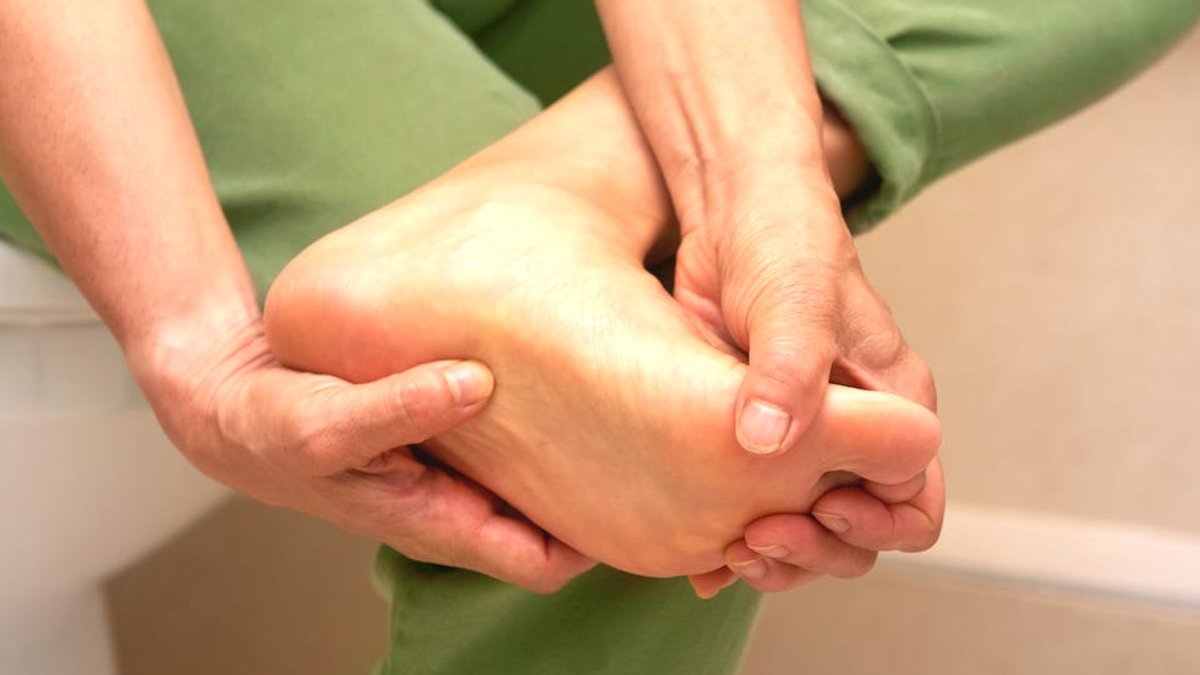
Your feet feel like they’re on fire at night, and the sensation isn’t just from the blankets. Doctors explain that burning, tingling, or heat in the feet is common, though the causes range from minor habits to serious health issues.
“Having your feet feel hot at night is a fairly common complaint,” said David Cutler, a family medicine physician at Providence Saint John’s Health Center in Santa Monica. “While often there is not significant disease underlying this sensation, there are often clues that something more serious is going on.”
When to worry about hot feet
Most people who sleep with their feet uncovered or kick off the blankets don’t have a medical issue. However, certain symptoms require attention.
Oluwatosin Ajao, an internal medicine physician and founder of Hydration Bar MD, identified key warning signs. These include persistent burning or heat—even without a fever—along with tingling, prickling, shooting pain, redness, swelling, or skin sensitivity. Some patients report temporary relief from cooling their feet, only for the discomfort to return when they warm up again.
Related: Firstborns face higher disease risks study finds
If the hot feet feeling is accompanied by any of these additional symptoms, or if it is frequent, severe, or continues to get worse, Dr. Cutler says you should give your doctor a call—they can run some tests to determine the cause of your hot feet.
Seven possible causes
Peripheral neuropathy is the most common cause. Cutler noted that nerve damage often leads to burning sensations, cold feelings, numbness, or “pins and needles.” While some cases have a clear origin, many remain idiopathic, meaning the exact cause is unknown.
Diabetes is one cause of neuropathy that is possible to diagnose. “Diabetes is the leading cause of nerve damage,” says Dr. Ajao. “High blood sugar can injure nerves throughout the body over time. Prediabetes and metabolic syndrome can also cause burning feet in some people.”
Vitamin deficiencies may also contribute to nerve damage. Dr. Ajao notes that vitamin B12 deficiency is the most common culprit, but not getting enough folate or vitamin B6 can also harm the nerves.
Hormonal changes, such as those during menopause, may cause hot feet. “Other causes of hot feet, such as hormonal changes with menopause, may not be related to nerve damage at all,” says Dr. Cutler. The drop in estrogen that leads to hot flashes and night sweats for many women can also contribute to feelings of heat or a burning sensation in the feet.
Related: New study finds supplement eases knee arthritis pain
Erythromelalgia is a rare condition that causes episodes of burning pain, redness, and warmth in the feet. “The symptoms often get worse with heat and improve quickly when the feet are cooled. It can run in families or link to certain blood disorders,” explains Dr. Ajao.
In some cases, the explanation is straightforward. Sleeping in a warm room, wearing thick socks, or using heavy blankets can make feet uncomfortably hot without any medical issue.
How to find relief
If tests reveal an underlying cause, treating it is the best approach. When no clear diagnosis exists, doctors suggest several strategies to improve comfort.
- Keep the bedroom cool.
- Wear lightweight socks or use a bed cradle to prevent sheets from touching the feet.
- Moisturize and protect feet to avoid dryness or cracking, which can worsen symptoms.
- Soak feet in cool water and avoid hot baths or showers before bed.
- Ask a doctor about pain-relieving creams, patches, or TENS therapy for nerve pain.
If these steps don’t help—or if symptoms worsen—Cutler recommends scheduling a follow-up. “Even if an initial evaluation doesn’t find a treatable cause, ongoing check-ins with your physician may eventually reveal the source.”
