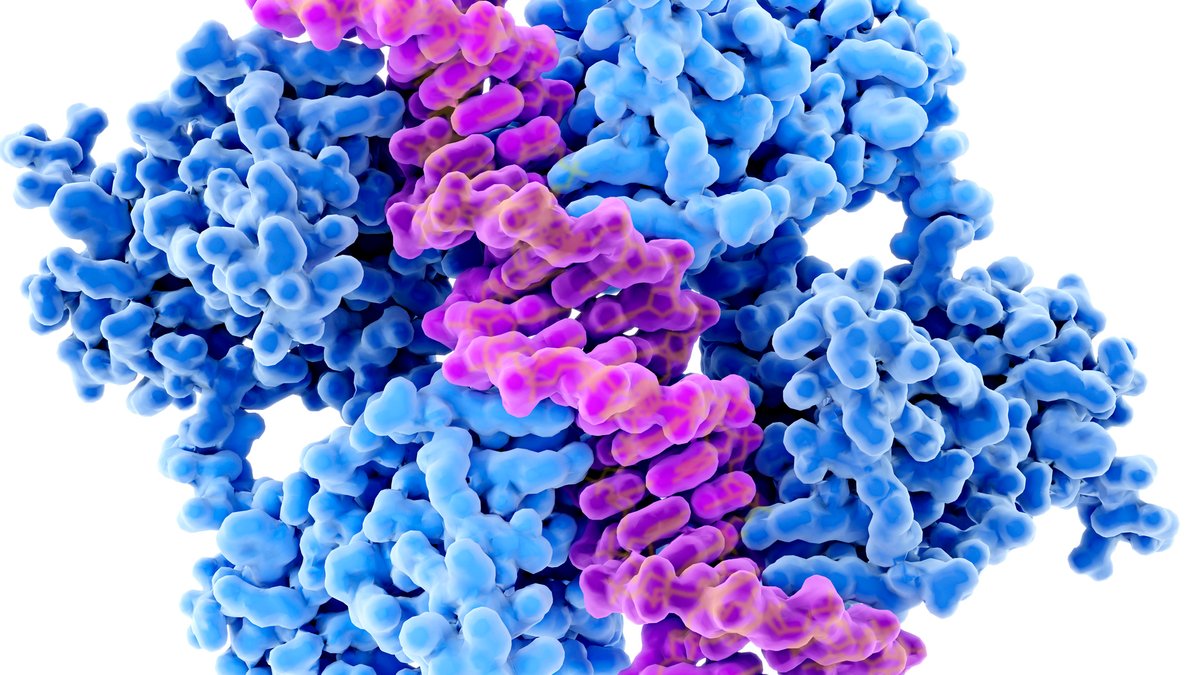
Researchers have discovered that tumors can conceal p53 neoantigens from T cells, posing challenges for personalized immunotherapy approaches. Since TP53 mutations frequently occur across various cancers, developing treatments targeting mutant p53 remains a key focus. However, recent findings indicate that detecting a tumor mutation represents merely the initial phase in identifying viable T-cell targets.
Predicted neoantigens do not always reach the cell surface
T cells identify short peptides displayed by human leukocyte antigen (HLA) molecules instead of scanning tumor DNA directly. As a result, even mutations predicted to generate strong neoantigens hold therapeutic potential only when the peptides undergo processing, bind to HLA molecules, and appear on the tumor surface in adequate amounts.
To explore p53 peptide presentation, scientists employed an ultrasensitive immunopeptidomics platform based on mass spectrometry combined with tumor genomics, structural biology, and engineered T cells. A notable disparity emerged between predictions and actual observations. Out of 175 predicted wild-type p53 peptide candidates associated with relevant HLA types, just five were reliably detected. Additionally, several prevalent p53 hotspot mutations occurred within regions showing no measurable surface targets.
This mismatch between genetic sequencing and immune visibility may explain why many patients fail to respond to therapies built upon anticipated neoantigens. Without sufficient peptide presentation at the cell membrane, T cells remain unaware of the threat—even if the mutation was accurately identified.
ERAP1 provides a route for immune escape
The team uncovered multiple ways tumors evade immune detection by eliminating promising antigens. In the case of the p53 I195F variant, endoplasmic reticulum aminopeptidase 1 (ERAP1), an enzyme responsible for trimming peptides prior to HLA loading, degraded the neoantigen before it could reach the cell surface. Disabling ERAP1 or blocking its activity reactivated p53-specific T cells’ ability to recognize malignant cells in vitro.
A separate obstacle arose concerning the well-studied p53 R175H neoantigen. Despite generating highly responsive T-cell receptors, the altered peptide exhibited weak binding affinity for HLA-A*02:01, leading to unstable complexes and diminished T-cell activation and tumor-killing efficacy.
These insights suggest a novel strategy involving modulation of antigen processing pathways rather than solely enhancing T-cell potency. Interventions such as ERAP1 inhibition or manipulation of peptide-HLA interactions might unmask previously concealed targets.
